 how-to
How to Keep Coffee Fresh Longer: A 2026 Guide
Last Updated: September 10, 2026
The Enemies of Coffee Freshness: What Actually Makes Beans Go Stale
To keep coffee fresh longer, fight oxidation, moisture, heat, light, and carbon dioxide loss. Roasted beans are porous: oxygen hits the oils and acids inside, while moisture, heat, and UV light accelerate the damage (peer-reviewed research). The USDA food storage guidance treats oxygen and moisture control as the two levers that matter most for shelf stability.
At Crazy Coffee Co, we roast high-potency single-origin Colombian beans, so here's how to keep coffee fresh longer.
Best Coffee Storage Containers and the One-Way Valve Rule
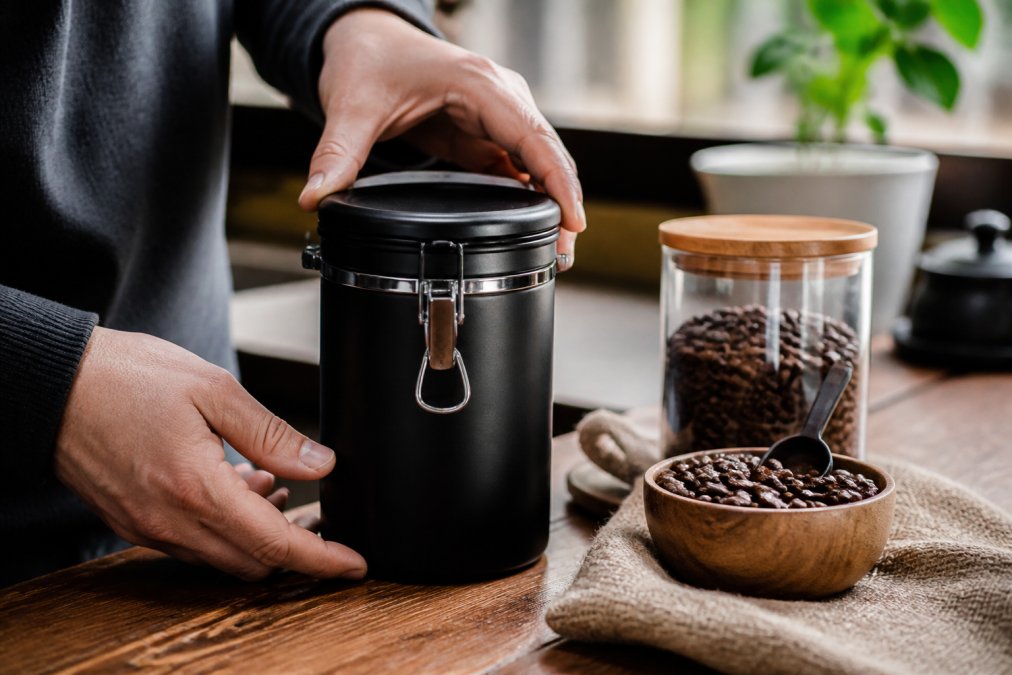
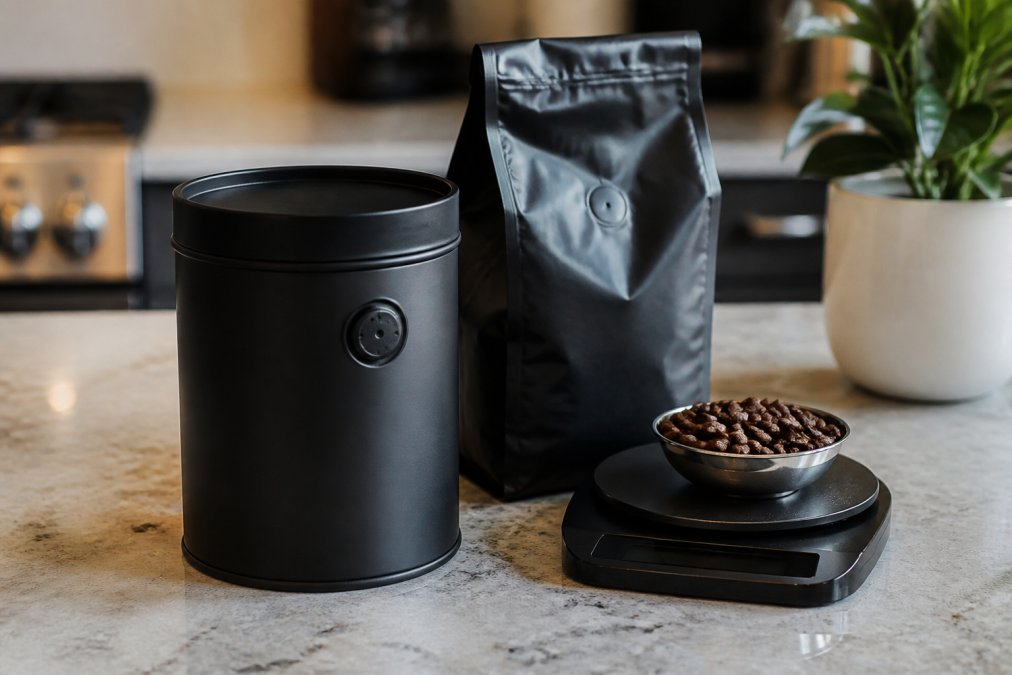
The best coffee storage containers are opaque, airtight, and fitted with a one-way valve that lets CO2 escape without letting oxygen in. Freshly roasted beans degas for days; a sealed jar traps that gas and builds pressure, while a valve lets CO2 exit and keeps oxygen out. The FDA guidance on food-contact materials is a useful reference for containers that won't leach into your beans.
| Material | Oxygen Barrier | Light Block | Best For |
|---|---|---|---|
| Stainless steel | Excellent | Excellent | Daily use, long-term storage |
| Ceramic (opaque) | Very good | Excellent | Countertop display |
| Clear glass or plastic | Poor | None | Short-term only |
Clear containers let UV light destroy your flavor profile, skip them unless you finish the bag within a week.
How Long Does Coffee Stay Fresh? The Real Freshness Window
Coffee stays fresh about two to four weeks after the roast date in an airtight container away from heat and light, and whole beans hold peak flavor longer than pre-ground. Roast date, not purchase date, is your reference point. To keep coffee fresh, grind right before you brew.
Signs of Stale Coffee Beans
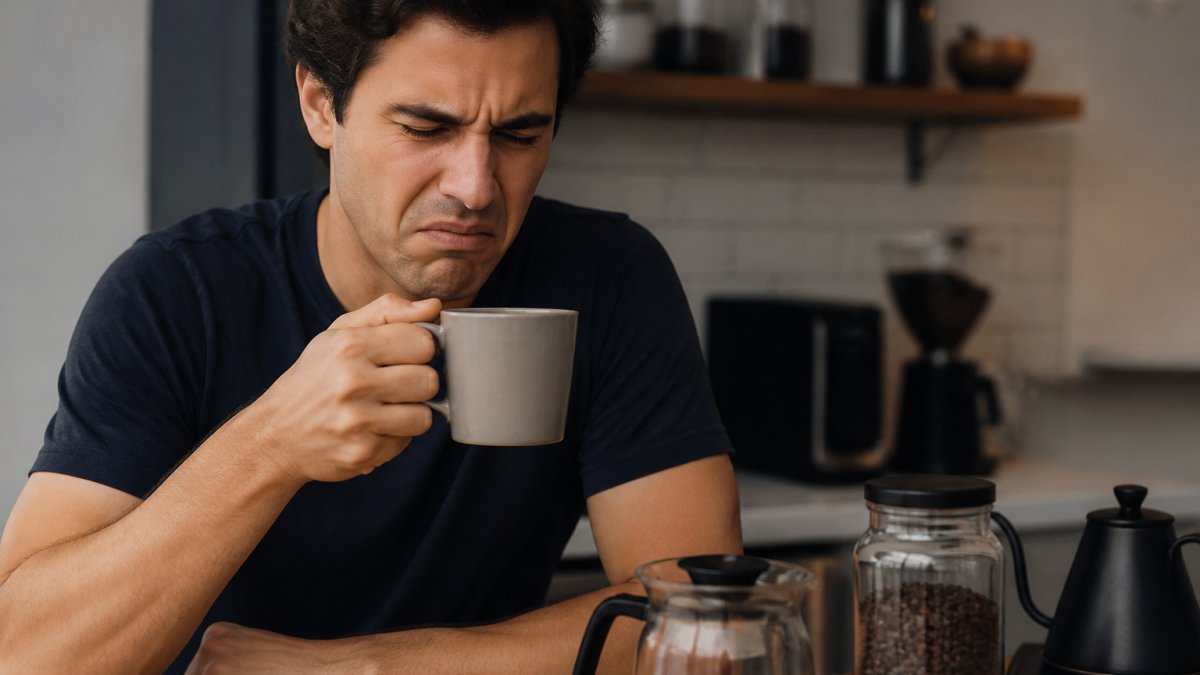
Stale coffee beans show four signs: a flat or cardboard-like smell, a dull surface with no oil sheen, lightweight dry beans, and a brew that tastes bitter or hollow.
Storing Coffee in the Freezer: What Actually Works
Storing coffee in the freezer works if done right: it slows oxidation, but moisture and temperature fluctuations form condensation that wrecks seal integrity. Portion beans into single-week servings, vacuum seal or use a genuinely airtight container, label each with the roast date, and thaw one portion at a time, sealed, never refreezing. For pantry storage, keep beans cool and dark between 50 and 70 degrees Fahrenheit, away from the stove, oven, and windowsill.
Climate-Specific Storage
In a dry climate, oxygen is your main enemy and a tight seal does most of the work; in a humid climate moisture creeps in every time you open the container, so smaller containers you finish faster beat one big jar.
Impact of Grind Size on Oxidation
Grind size controls how fast coffee oxidizes: finer grinds expose more surface area, so espresso-fine stales faster than coarse French press. If you buy pre-ground, match the grind to your brew method and buy smaller amounts more often.
Stale coffee is a choice, not a fate. At Crazy Coffee Co, we roast high-potency single-origin Colombian coffee for people who refuse to settle for a flat, bitter cup. Our Insomnia Blend delivers the ruthless momentum your hustle demands, with the freshness that makes it worth drinking. Order whole bean, store it right, and taste the difference. Get started with Crazy Coffee Co and make every morning count.