 how-to
Is High Caffeine Coffee Safe for Daily Use?
Table of Contents
- The 400 mg Rule: Safe Daily Caffeine Intake for Adults
- Caffeine Content in High-Potency Coffee: What You're Actually Drinking
- High-Caffeine Coffee Side Effects: Signs You're Overdoing It
- Caffeine and Sleep Timing: Why Your 2 PM Cup Matters
- Who Should Be Careful: Medications, Pregnancy, and Sensitivity
- How to Reduce High-Caffeine Coffee Safely: A Step-by-Step Plan
- Conclusion
- Frequently Asked Questions
Last Updated: October 18, 2026
The 400 mg Rule: Safe Daily Caffeine Intake for Adults
Is high caffeine coffee safe for daily use? For most healthy adults, yes, as long as total caffeine stays under about 400 milligrams per day. That's the widely cited ceiling from the FDA guidance on caffeine and how much is too much, and it's the number we build every recommendation around at Crazy Coffee Co.
Here's the catch most guides skip: 400 mg is a budget, not a target. It covers everything you drink, not just your morning cup.
A few ground rules:
- Healthy adults: up to 400 mg per day is generally considered safe
- Pregnant or breastfeeding: closer to 200 mg per day, per ACOG guidance on caffeine during pregnancy
- Sensitivity matters: some people feel jittery at 200 mg, others feel fine at 400 mg
- Timing matters: a late cup can wreck sleep even under the limit
What counts as "moderate consumption" varies by person. The dose is what matters, not the number of cups.
Caffeine Content in High-Potency Coffee: What You're Actually Drinking
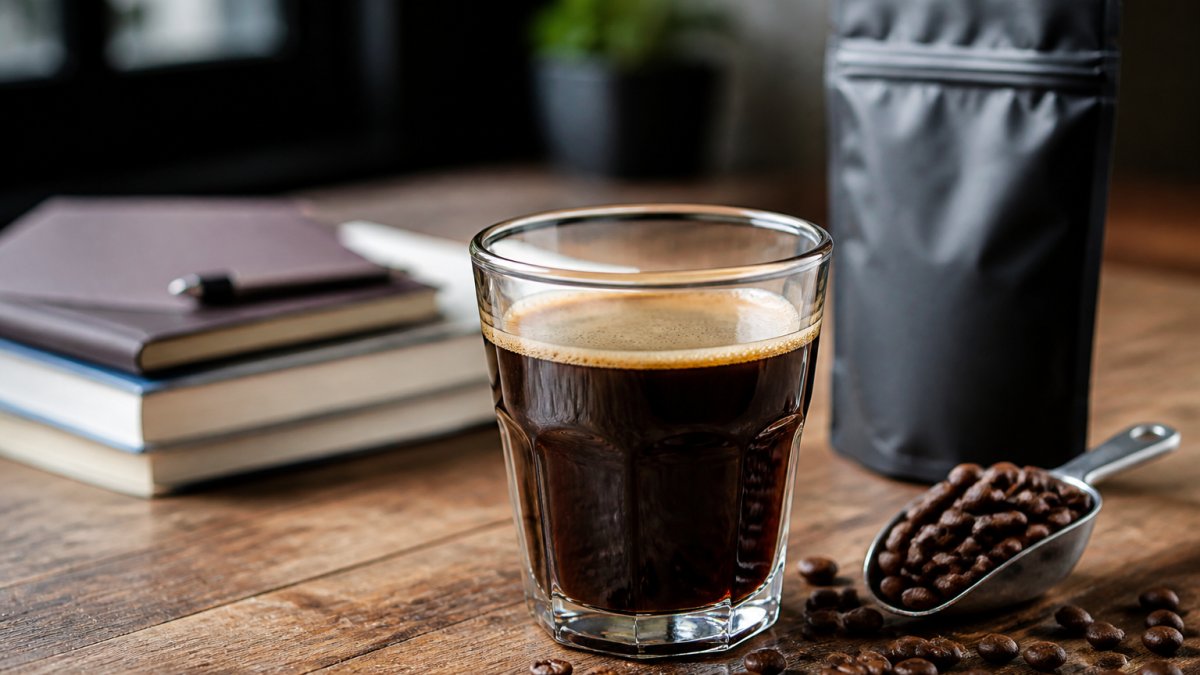
High caffeine coffee delivers more caffeine per serving than a standard brew, but the gap is smaller and more variable than most labels suggest. An 8 oz cup of regular drip coffee typically lands around 95 mg, according to commonly cited FDA guidance on caffeine and how much is too much figures. High-potency roasts, concentrated brews, and large café servings can push well past that, but the exact number depends on four variables, not one.
The Four Variables That Set Your Dose
1. Serving size. This is the biggest lever. Caffeine scales linearly with volume, so a 16 oz mug of the same brew carries roughly double the caffeine of an 8 oz cup.
2. Brewing method. Concentrated methods extract more caffeine per ounce. Espresso, cold brew concentrate, and moka pot coffee typically run higher per fluid ounce than drip.
3. Bean and roast. Caffeine content varies by bean species and growing conditions.
4. Product labeling. Some high-caffeine brands publish milligrams per serving; many do not. If the label only says "strong" or "extra bold," you cannot calculate your dose from it.
How to Calculate Your Actual Caffeine Dose
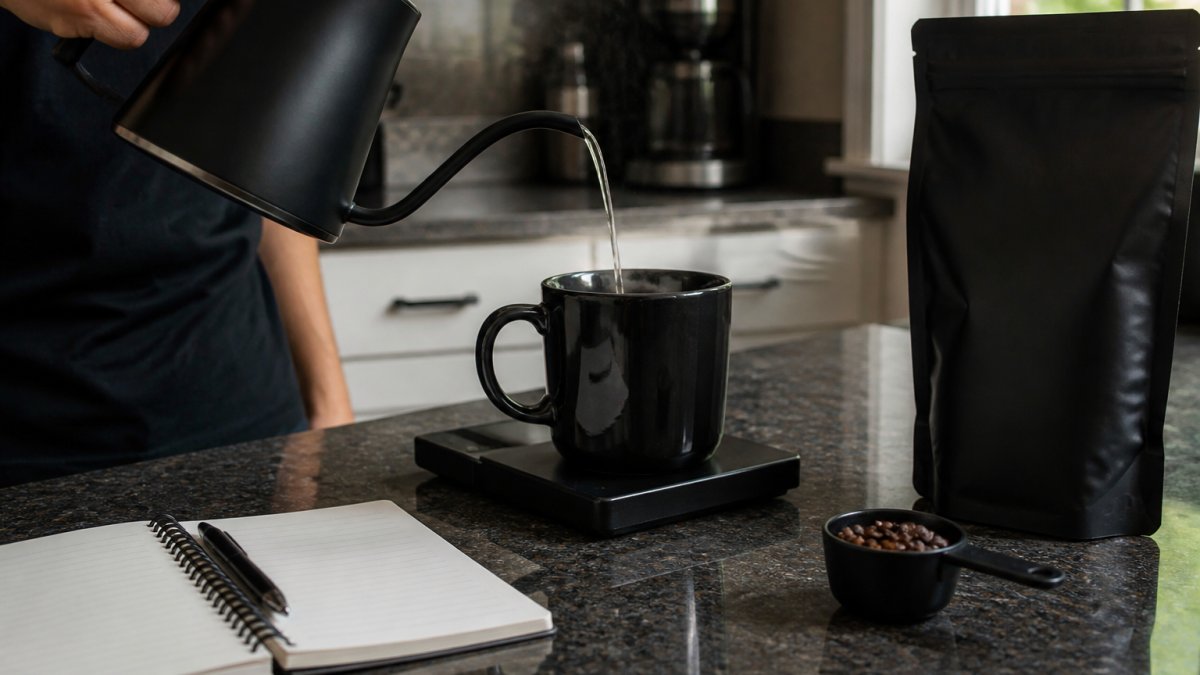
Caffeine dose is the total milligrams you consume, calculated by multiplying the caffeine per ounce by the ounces you drink. Here is the simple method:
- Find the stated caffeine per serving (mg) and the serving size in ounces.
- Divide mg by ounces to get mg per oz.
- Measure your actual pour in ounces, use a scale or a marked mug, not "one cup."
- Multiply: mg per oz × ounces poured.
- Add every other source: espresso, tea, soda, energy drinks, chocolate, and pre-workout supplements.
- Compare the total to your 400 mg daily budget.
A worked example: a brew labeled 150 mg per 12 oz serving is 12.5 mg per oz. Pour 16 oz and you are at 200 mg, half your daily budget in one mug. Add a 2 PM espresso shot at 70 mg and you are at 270 mg before dinner.
A common mistake is eyeballing a "cup" as 8 oz. Most travel mugs hold 12 to 16 oz, which quietly doubles your dose. The second most common mistake is counting cups instead of milligrams, two people drinking "three cups" can be 200 mg apart.
Serving-Size Pitfalls by Product Type
- Drip coffee: roughly 95 mg per 8 oz; a 16 oz café pour is about 190 mg.
- Cold brew: often 150 to 300 mg per 12 oz, higher if served as concentrate.
- Espresso: about 60 to 80 mg per 2 oz shot; a double is roughly 120 to 160 mg.
- Energy-style coffee drinks: check the can, some carry 150 to 300 mg per can, and some add caffeine separately from the coffee.
- Decaf: typically 2 to 15 mg per 8 oz, not zero.
High-Caffeine Coffee Side Effects: Signs You're Overdoing It
High-caffeine coffee side effects show up fast when you cross your personal limit. Watch for jitters, restlessness, a racing heart rate, anxiety, headaches, and trouble sleeping. These are your body's signal that the dose is too high for you.
Some people also notice:
- Raised blood pressure, especially if you're not a regular drinker
- Digestive upset or acid reflux
- A crash a few hours after the peak
- Withdrawal symptoms (headache, fatigue) if you skip your usual cup
Individual variation is real. Two people can drink the same brew and have completely different responses. Caffeine sensitivity comes down to genetics, tolerance, and body weight.
Caffeine and Sleep Timing: Why Your 2 PM Cup Matters
Caffeine and sleep timing are linked more tightly than most people realize. Caffeine has a half-life of roughly five hours, meaning half of a 2 PM cup is still in your system around 7 PM.
Sleep disruption doesn't always feel obvious. You might fall asleep fine but wake at 3 AM, or sleep lighter than usual.
A practical rule: cut caffeine six to eight hours before bed. For a 10 PM bedtime, that means your last cup lands around 2 to 4 PM. If you're sensitive, push it earlier.
Regular consumption builds tolerance, so you may not feel the hit, but your sleep quality can still drop. Track it for a week and you'll see the pattern.
Who Should Be Careful: Medications, Pregnancy, and Sensitivity
Some people need to limit caffeine intake far below the standard 400 mg, and the reason is usually one of three: a health condition that caffeine worsens, a medication that changes how fast your body clears caffeine, or a pregnancy. This section is the one most guides skip past with a generic "talk to your doctor", here is what to actually raise with a clinician.
Pregnancy and Breastfeeding
Pregnancy and breastfeeding are the clearest cases. Guidance from ACOG guidance on caffeine during pregnancy points to about 200 mg per day, roughly one 12 oz cup of regular coffee. Caffeine crosses the placenta, and the fetus metabolizes it slowly, so the same dose that feels mild to you can accumulate in the baby. During breastfeeding, a small amount passes into breast milk; most practitioners suggest keeping total intake modest and watching for fussiness or poor sleep in the infant.
Medications That Interact With Caffeine
Caffeine is metabolized mainly by the CYP1A2 enzyme in the liver. Anything that speeds up or slows that enzyme changes how long caffeine stays in your system. Talk to your doctor or pharmacist if you take:
- Stimulants (including prescription stimulants for ADHD), caffeine adds to the cardiovascular load.
- Certain antibiotics and antifungals, some slow caffeine clearance, so a normal cup can feel like a double.
- Blood pressure medication, caffeine can raise blood pressure short-term, which may work against the medication.
- Oral contraceptives, commonly slow caffeine metabolism, extending its half-life.
- Bronchodilators and some asthma medications, additive stimulant effects.
- Decongestants and cold medicines, many already contain caffeine or a stimulant.
A common pattern is that people on these medications notice jitters or insomnia at doses they previously tolerated. That is a pharmacokinetic change, not a personal weakness, adjust the dose, not your willpower.
Health Conditions That Raise the Risk
- Anxiety disorders: caffeine can trigger or worsen panic symptoms at doses others barely notice.
- Arrhythmias and heart conditions: palpitations and racing heart are the classic warning signs; ask your cardiologist for a personal ceiling.
- Hypertension: short-term blood pressure rises matter more if your baseline is already elevated.
- Acid reflux and GERD: caffeine relaxes the lower esophageal sphincter, which can worsen symptoms.
- Insomnia and sleep disorders: even a morning cup can affect sleep in sensitive people.
- Osteoporosis risk: high caffeine intake can modestly increase calcium loss; adequate calcium intake matters more than avoiding coffee entirely.
Caffeine Sensitivity Is Real and Measurable
Individual variation is not an excuse, it is genetics, tolerance, and body weight working together. Two people can drink the same brew and have completely different responses. If you feel jittery at 200 mg while a friend feels fine at 400 mg, your personal ceiling is simply lower. Track your dose and symptoms for a week; the pattern will tell you more than any general rule.
Decaffeinated coffee is an option for cutting dose without giving up the ritual. So is halving your pour, switching to a lighter brew, or moving your last cup earlier. None of these require giving up coffee, they require knowing your number.
How to Reduce High-Caffeine Coffee Safely: A Step-by-Step Plan
You can reduce high-caffeine coffee without misery by tapering slowly. Cutting cold turkey invites headaches and fatigue. A gradual step-down keeps you functional while your tolerance resets.
Here's a plan you can use:
- Log your intake for three days. Count every source in milligrams.
- Cut by about 25% per week. Swap one high-potency cup for a regular brew.
- Shift your last cup earlier each week until it's before mid-afternoon.
- Add water and food. Caffeine hits harder on an empty stomach.
- Replace the ritual, not just the caffeine. Decaf or a smaller pour keeps the habit.
- Watch for withdrawal (headache, low energy) and slow down if it's rough.
Conclusion
Getting your caffeine right isn't about quitting. It's about knowing your dose, respecting the 400 mg ceiling, and timing your last cup well before bed. That's where Crazy Coffee Co fits in: our single-origin Colombian beans and high-potency Insomnia Blend give you an unparalleled coffee experience, without the bitter, stale taste of ordinary office coffee.
Ready to take control of your daily grind? Explore the Crazy Coffee Co lineup and build a routine that keeps you sharp without the crash.
Frequently Asked Questions
What is the safe daily intake of caffeine for adults?
For most healthy adults, the widely cited safe daily caffeine intake is up to 400 mg per day, roughly the amount in four 8-ounce cups of brewed coffee. That ceiling assumes average sensitivity and no complicating health conditions. High-caffeine coffee can reach that limit in one or two servings, so the number of cups matters less than the total milligrams. If you have a heart condition, take certain medications, or are pregnant, ask a doctor for a personal limit before drinking high caffeine coffee daily.
How much caffeine is in high-caffeine coffee?
Caffeine content in high-potency coffee varies by bean, roast, and brew method, but a typical 12-ounce serving can run 200 mg to 300 mg, compared with roughly 95 mg in a standard 8-ounce cup of brewed coffee. Cold brew and espresso-based drinks concentrate more caffeine per ounce. Check the label or brand data for milligrams per serving rather than assuming, and measure your actual cup size, since a large mug can double the dose without you noticing.
Can you drink high-caffeine coffee every day?
Yes, for many healthy adults, if total daily intake stays under the 400 mg limit and you stop early enough to protect sleep. The risks come from stacking servings, ignoring sensitivity, or drinking it late in the day. Track your milligrams, keep an eye on high-caffeine coffee side effects like jitters, rapid heart rate, or insomnia, and cut back if they appear. Anyone pregnant, on stimulant medications, or with cardiovascular conditions should get medical guidance first.
How late in the day should you stop drinking caffeinated coffee?
Caffeine has a half-life of about five hours, so a 200 mg serving at 2 PM still leaves roughly 100 mg in your system by 7 PM. For most people, stopping caffeine six to eight hours before bed limits sleep disruption. If you are sensitive or aiming for deep sleep, cut off by noon. When planning caffeine and sleep timing, count total milligrams, not cups, and remember that high-potency coffee delivers a bigger dose per serving than standard brews.