 how-to
Why Coffee Tastes Bitter After Brewing: 7 Fixes
Table of Contents
- Why Does Coffee Taste Bitter After Brewing?
- Coffee Over-Extraction: The Main Reason Your Cup Turns Bitter
- Best Grind Size for Coffee: Match It to Your Brewer
- Water Temperature and Coffee-to-Water Ratio: Two Numbers That Decide the Cup
- How to Fix Bitter Coffee: A Method-Specific Troubleshooting Flow
- How to Store Coffee Beans So They Do Not Turn Bitter
- Frequently Asked Questions
Last Updated: October 15, 2026
Why Does Coffee Taste Bitter After Brewing?
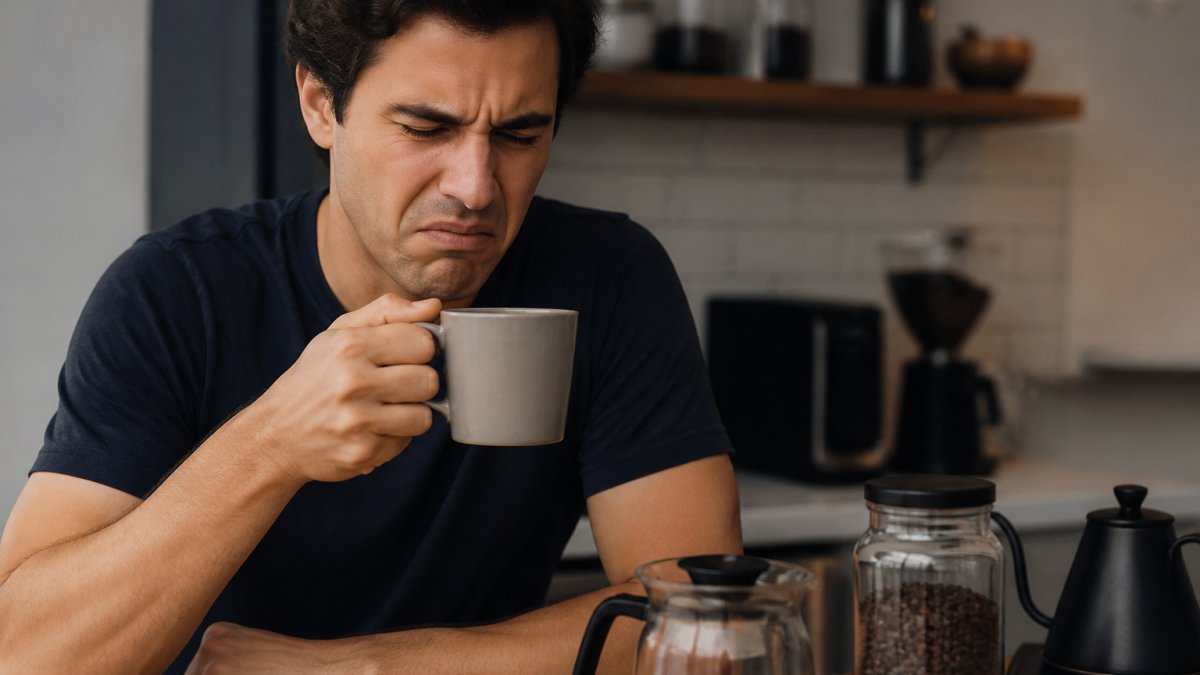
At Crazy Coffee Co, we hear this question constantly from people who just spent good money on beans. Bitter coffee is frustrating.
Here is the good news. Bitterness after brewing is a mechanical problem, not a mystery. You can fix it with a few adjustments.
Below, we break down the seven most common causes and exactly how to correct each one.
Bitterness From Extraction vs. Bitterness That Shows Up Later
These are two different problems, and they need different fixes.
Extraction bitterness happens during brewing. Water pulls bitter compounds from the grounds because something went wrong in the process. Fix the brew, fix the taste.
Holding bitterness develops after brewing. Coffee sits on a hot plate or in a thermos for hours, and the heat keeps extracting compounds.
How to tell them apart:
- Bitter from the first sip? That is extraction. Adjust your method.
- Bitter after 30-60 minutes in a pot? That is holding. Drink sooner or switch to an insulated carafe.
The Specialty Coffee Association's brewing standards treat extraction as the core variable in cup quality. Get it right and bitterness mostly disappears.
Coffee Over-Extraction: The Main Reason Your Cup Turns Bitter
Coffee over-extraction is when water pulls more from the grounds than it should. You get bitter compounds, dry mouthfeel, and a flat, harsh finish. The pleasant acids and sugars get buried.
Every coffee bean holds hundreds of flavor compounds. Some taste great. Some taste bitter. The brewing process decides which ones end up in your mug.
Early in the brew, water dissolves the bright, sweet stuff. Keep going and it starts pulling the bitter, astringent compounds. That is over-extraction.
Common causes:
- Brew time too long
- Grind too fine
- Water too hot
- Too much coffee for the water
Brew Time and Contact Time by Method
Every brewing method has a target contact time. Hit it and you get balance. Blow past it and bitterness takes over.
| Method | Target Brew Time | Grind Size | Watch For |
|---|---|---|---|
| Drip coffee | 4-5 minutes | Medium | Long cycle on cheap machines |
| French press | 4 minutes | Coarse | Steeping past 5 minutes |
| Pour-over | 2.5-3.5 minutes | Medium-fine | Slow drawdown |
| Espresso | 25-30 seconds | Fine | Runs over 35 seconds |
| AeroPress | 1.5-2.5 minutes | Medium-fine | Over-steeping before press |
A drip filter that takes 8 minutes will taste bitter no matter how good your beans are. The machine is the problem, not the coffee.
Best Grind Size for Coffee: Match It to Your Brewer
The best grind size for coffee depends on your brewer, not your preference.
Grind size controls how fast water extracts flavor. Fine grounds have more surface area, so water pulls compounds out fast.
If your coffee is bitter, your grind is probably too fine for your method.
Quick fixes by method:
- French press: switch to a coarse grind, like sea salt
- Drip: use a medium grind, like table salt
- Pour-over: medium-fine, slightly finer than drip
- Espresso: fine, but adjust if shots run long
A common mistake is buying pre-ground coffee labeled "for all brewers." That grind is a compromise.
Buy whole beans and grind fresh. If you cannot, buy pre-ground sized for your specific brewer.
Water Temperature and Coffee-to-Water Ratio: Two Numbers That Decide the Cup
Water temperature and coffee-to-water ratio decide whether your cup tastes balanced or bitter. Aim for 195-205°F water and a 1:15 to 1:17 coffee-to-water ratio by weight. But those are starting ranges, not a recipe. The right number depends on your brewer, your roast, and your water.
Water above 205°F scorches the grounds and pulls bitter compounds fast. Water below 195°F under-extracts and tastes sour. The sweet spot is narrow, and most home kettles overshoot it.
Target Ranges by Brewing Method
Use these as starting points, then adjust one variable at a time.
| Method | Water Temp | Coffee-to-Water Ratio | Dose for 12 oz Cup |
|---|---|---|---|
| Drip coffee | 195-200°F | 1:16 to 1:17 | 20-22 g |
| French press | 195-200°F | 1:15 to 1:16 | 22-24 g |
| Pour-over | 200-205°F | 1:15 to 1:16 | 22-24 g |
| Espresso | 198-203°F | 1:2 (yield) | 18-20 g in, 36-40 g out |
| AeroPress | 185-200°F | 1:12 to 1:15 | 15-18 g |
A scale is the single best upgrade for any home brewer. Weighing coffee and water removes the guesswork that causes bitterness.
Why Ratio Matters More Than You Think
Too much coffee in the basket does not make it stronger. It makes it bitter, because the water cannot extract evenly. The water channels through the bed, over-extracting some grounds and under-extracting others.
- 1 gram coffee to 15 grams water = strong cup
- 1 gram coffee to 16 grams water = balanced
- 1 gram coffee to 17 grams water = lighter cup
If your cup is bitter and strong, do not add more coffee. Add more water or coarsen the grind.
Water Quality: The Input Most Brewers Ignore
Water is 98-99% of your cup. If your tap water tastes off, your coffee will too. Two minerals matter most:
- Magnesium extracts fruity, bright flavors. Too little and coffee tastes flat.
- Calcium buffers acidity. Too much and coffee tastes chalky or bitter.
- Bicarbonate (alkalinity) neutralizes acids. High alkalinity flattens coffee and can push bitterness forward.
A common pattern is tap water with high alkalinity. It makes even well-extracted coffee taste dull and harsh. If your coffee is bitter no matter what you adjust, try bottled water labeled "spring" with a moderate mineral content, or a third-wave water recipe. Avoid distilled water: it has no minerals and extracts poorly.
Check your kettle with a thermometer. Many kettles run hotter than their display shows. If yours hits 210°F, let it sit 30 seconds before pouring.
How to Fix Bitter Coffee: A Method-Specific Troubleshooting Flow
How to fix bitter coffee comes down to one move: change a single variable, taste, and repeat. Do not adjust grind, time, and temperature all at once.
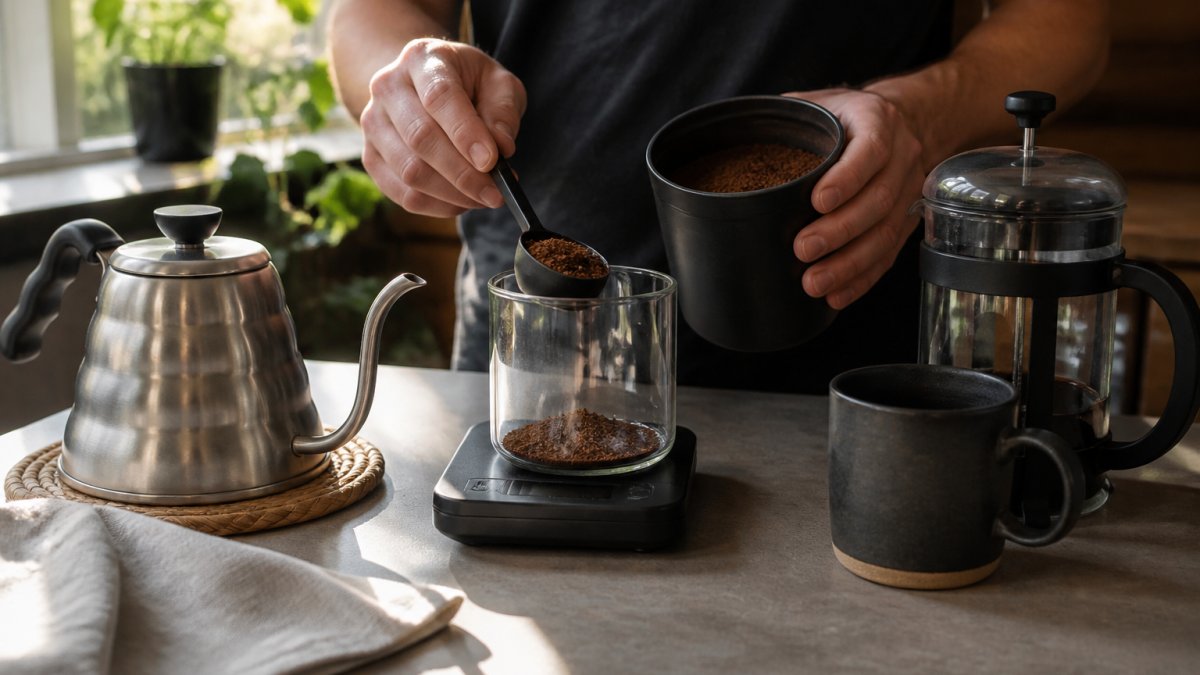
Here is the flow we recommend at Crazy Coffee Co.
Step 1: Identify your method. Write down your brewer and current settings.
Step 2: Change one thing. Pick the most likely culprit for your method:
- French press bitter? Cut steep time by 30 seconds.
- Drip bitter? Coarsen the grind one notch.
- Pour-over bitter? Lower water temp by 5°F.
- Espresso bitter? Coarsen the grind slightly or shorten the shot.
Step 3: Taste and log. Note what changed. Better, worse, or same?
Step 4: Repeat. Keep adjusting the same variable until you find the fix. Then stop.
Change One Variable at a Time
This is the rule most people skip. It feels slow. It is actually the fastest path to a great cup.
If you change grind, time, and temperature together, you cannot tell which fix worked. You also cannot repeat your success tomorrow.
Keep a simple log:
- Date
- Method
- Grind setting
- Brew time
- Water temp
- Taste notes
Three or four brews usually reveals the problem. Trust the process.
How to Store Coffee Beans So They Do Not Turn Bitter
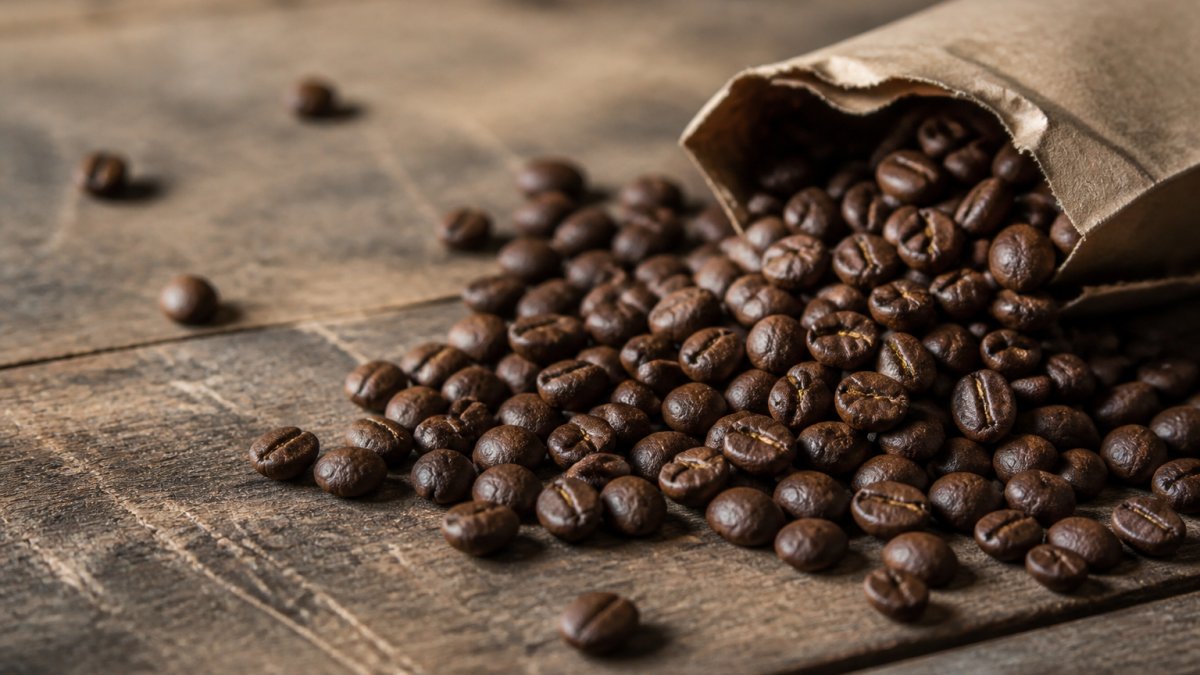
How to store coffee beans determines how long they stay sweet. Keep them in an airtight, opaque container at room temperature, away from light, heat, and moisture. Skip the fridge and freezer for daily-use beans.
Stale coffee tastes bitter and flat. Oxygen, light, and heat break down the oils that give coffee its flavor. But here is the part most guides skip: stale beans and over-extraction can taste almost identical in the cup.
Is It Staleness or Over-Extraction?
Before you blame your grinder or your brewer, run this test.
- Brew a cup with beans you know are fresh (roasted within the last 2-3 weeks, opened within the last week). Use your normal recipe.
- Brew a second cup with older beans (4+ weeks past roast, or a bag that has been open for a month). Use the exact same recipe.
- Taste both side by side.
If the fresh cup is balanced and the old cup is bitter and flat, staleness is your problem. If both cups are bitter, your brewing variables are the cause. If both are fine, the bitterness is coming from holding or reheating, not from the beans.
This is the same logic as the extraction-vs-holding split earlier in this article. Isolate the variable before you change anything.
Storage Rules That Actually Work
- Buy whole beans, not pre-ground
- Use an airtight, opaque container
- Store at room temperature, not in the fridge
- Keep away from the stove and windows
- Grind right before brewing
- Buy in smaller amounts: a bag that lasts two weeks tastes better than one that lasts two months
A common mistake is storing beans in the bag they came in. Most bags are not airtight once opened. Transfer to a sealed container the same day.
Freezing: When It Helps and When It Hurts
Freezing whole beans can preserve freshness for months if you do it right. The rules:
- Freeze only whole beans, never pre-ground
- Use an airtight, freezer-safe container or vacuum-sealed bag
- Freeze in small portions you will use within a week
- Do not thaw and refreeze
- Grind frozen beans directly, or let them sit 15 minutes first
The problem is moisture. Every time you open the container, condensation forms on the beans. That is why single-serve portions matter more than the freezer itself.
Holding and Reheating: The Other Bitter Path
If your coffee tastes fine right after brewing but bitter 30-60 minutes later, storage is not the issue. Heat is.
- A hot plate keeps coffee at 180-190°F, which continues extracting compounds from the grounds and slowly oxidizes the brew.
- A thermos holds heat but traps the same compounds. After an hour, bitterness climbs.
- Reheating in a microwave or on the stove pushes the brew past its peak and amplifies harsh notes.
The fix is simple: brew only what you will drink in 30 minutes, or transfer to an insulated carafe and accept that the last cup will taste different from the first. If you need coffee to last longer, brew concentrate and add hot water per cup.
If you want peak flavor, this is where Crazy Coffee Co's single-origin Colombian beans make a difference. The Insomnia Blend is our pick for anyone who wants a sharp, focused cup without the bitter finish.
Frequently Asked Questions
Why does coffee taste bitter after brewing?
Most bitter coffee comes from over-extraction: hot water pulls bitter compounds out of the grounds after the sweet ones are already gone. Common triggers include a grind that is too fine for your brewer, brew time running long, water above 205°F, or too little coffee for the water used. Fix those variables and bitterness usually drops within one or two brews.
Can over-extraction make coffee taste bitter?
Yes, and it is the most common cause. Over-extraction happens when water keeps contacting the grounds past the point where desirable flavors have dissolved. In a drip brewer that might mean a clogged filter slowing the flow; in a French press it means steeping past four minutes. Shortening contact time or coarsening the grind brings the cup back into balance.
Does a finer grind make coffee more bitter?
A finer grind exposes more surface area, so water extracts faster. If you use an espresso-fine grind in a drip filter or French press, the water strips bitter compounds before the brew finishes. The fix is not always a coarser grind: if your grind is too coarse you get sour, weak coffee instead. Match grind size to your method, then adjust in small steps.
How do I store coffee beans so they stay fresh and less bitter?
Keep beans in an airtight, opaque container at room temperature, away from light, heat, and moisture. Buy whole beans and grind right before brewing, since ground coffee stales in days rather than weeks. Skip the fridge and freezer for daily-use bags; repeated temperature swings introduce moisture. Stale coffee tastes flat and bitter at the same time, so freshness is part of the fix.