 comparison
Is High Potency Coffee Worth It? A 2026 Review
Table of Contents
- High Potency Coffee vs Regular Coffee: What the Label Doesn't Tell You
- Caffeine Content in High Potency Coffee: How It Compares
- Best Practices for Brewing High Potency Beans
- High Caffeine Coffee Side Effects: What to Watch For
- Cost Per Milligram: Is High Potency Coffee Worth the Premium?
- How to Test Potency Objectively
- Tolerance, Cycling, and Long-Term Use
- Frequently Asked Questions
Last Updated: September 28, 2026
High Potency Coffee vs Regular Coffee: What the Label Doesn't Tell You
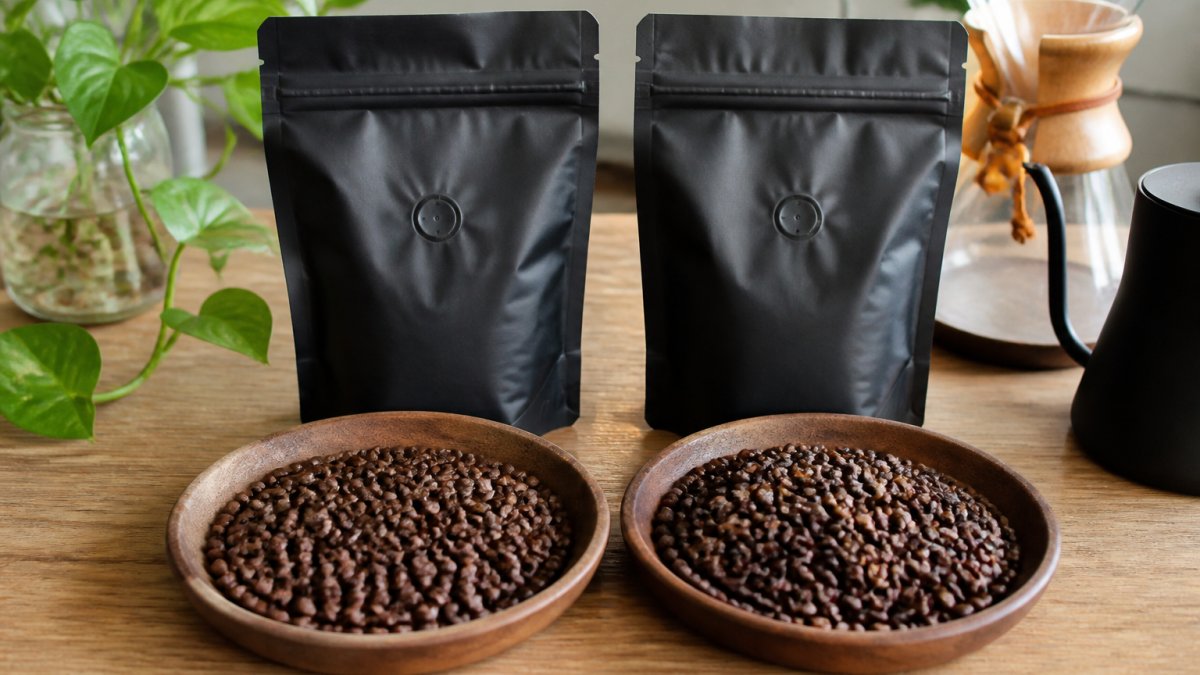
Walk into any specialty café and you'll see bags labeled "high potency," "extra strength," or "maximum energy." The marketing suggests these beans hit harder than standard coffee. The reality is messier. High potency coffee is any coffee marketed or formulated to deliver more caffeine per cup than a typical medium roast, whether through bean selection, blend composition, or serving concentration. This guide from Crazy Coffee Co breaks down what actually drives caffeine content, what the labels skip, and whether the premium is justified for your specific energy needs.
Defining Potency: Caffeine, Flavor, and Extraction
Potency and flavor intensity are not the same thing. A coffee can taste aggressive and bold while delivering average caffeine, or taste smooth and mild while hitting hard. Caffeine content depends primarily on the bean species and how much coffee you use, not on how dark or bitter the final cup tastes. Flavor intensity comes from roast profile and extraction yield; potency comes from dosage and bean genetics. Confusing the two is the most common mistake buyers make.
Why Roast Level Doesn't Determine Caffeine
Dark roast does not mean more caffeine. If anything, the opposite is often true by volume. Roasting burns off some mass, so a dark-roasted bean weighs less than a light-roasted one of the same original size. Scoop by volume and you may get slightly less caffeine from the darker roast. The persistent myth that dark roast equals stronger caffeine survives because dark roasts taste bolder, and people associate bitterness with stimulant power. It doesn't work that way.
Caffeine Content in High Potency Coffee: How It Compares
Caffeine content in high potency coffee typically runs higher than standard brews because of three levers: bean species, dose, and extraction efficiency. Understanding which lever a brand is pulling tells you whether the premium is real or marketing.
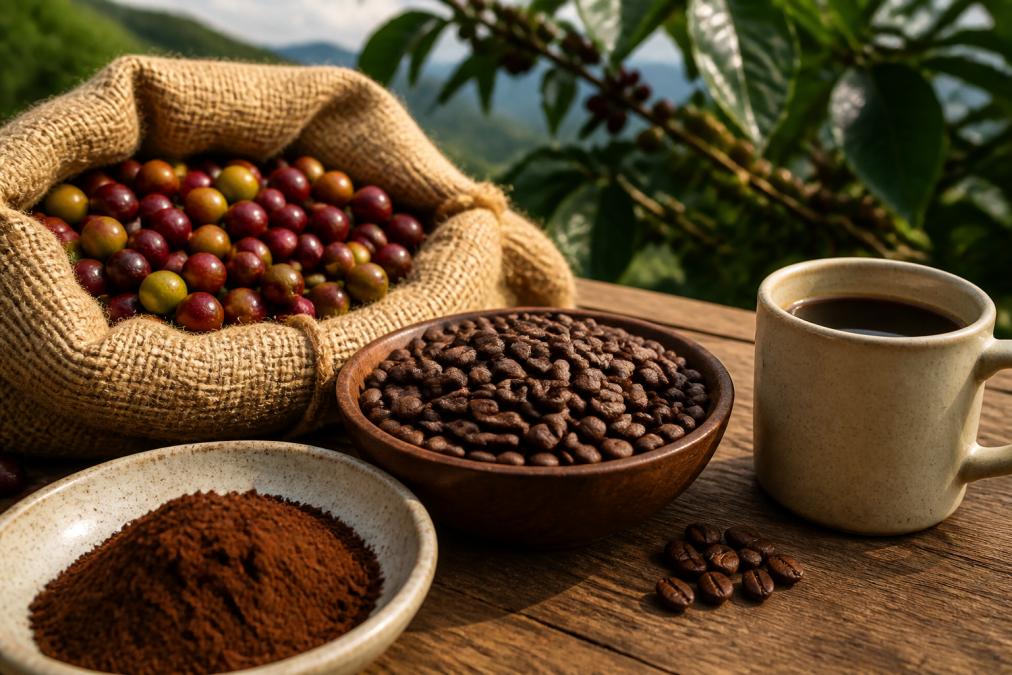
Bean species. Arabica beans, which make up most specialty coffee, contain roughly 1.2% caffeine by weight. Robusta contains roughly 2.2%, nearly double.
| Coffee Type | Typical Caffeine (8 oz) | Key Driver |
|---|---|---|
| Standard drip | ~95 mg | Arabica, medium roast, 1:17 ratio |
| High potency blend | Higher, varies by brand | Robusta content, tighter dose |
| Espresso (1 oz) | ~63 mg | Concentration, not volume |
| Cold brew (8 oz) | Varies widely | Steep time, ratio |
The Extraction Science Behind the Numbers
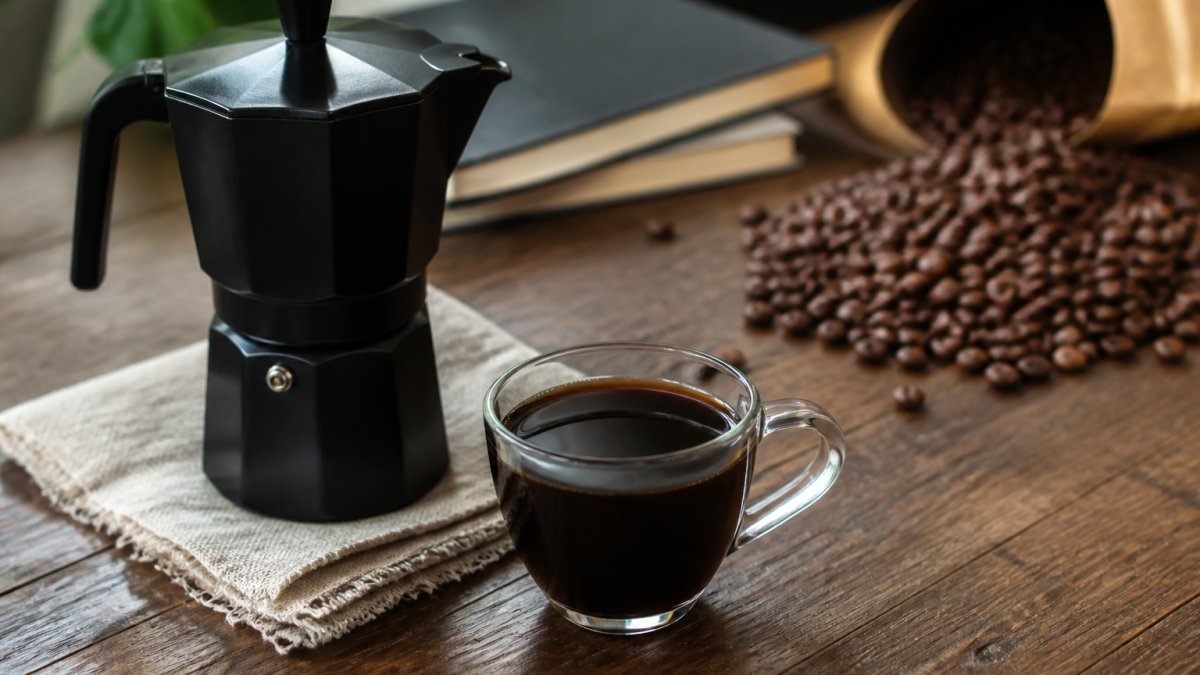
Caffeine is one of the first compounds to dissolve during brewing, which is why it extracts early and consistently. Bitterness and harsh tannins extract later. This timing matters: if you want more caffeine without more bitterness, extend contact time slightly rather than grinding finer, because finer grinds accelerate both caffeine and bitterness together. A coarser grind with a longer steep, the cold brew model, pulls caffeine efficiently while leaving some of the harsher compounds behind.
Best Practices for Brewing High Potency Beans
Best practices for brewing high potency beans start with controlling three variables: grind size, water temperature, and ratio. Get those right and you extract the caffeine you paid for without dragging out harsh tannins and excessive bitterness. Get them wrong and you either waste potency or produce a cup that's unpleasant to finish.
Grind Size, Water Temperature, and Ratio
Grind size controls how fast water pulls compounds from the coffee. Finer grinds extract faster and yield more caffeine per unit of time, but they also pull more bitterness. For drip, a medium grind works for most high-potency beans. For espresso, go fine but watch your shot time. Water temperature should sit between 195°F and 205°F. Below that, extraction stalls; above it, you scorch the grounds.
High Caffeine Coffee Side Effects: What to Watch For
High caffeine coffee side effects range from manageable to serious, and they depend on your sensitivity, your metabolism, and how much you drink. Common effects include jitteriness, rapid heartbeat, anxiety, disrupted sleep, and digestive upset. More concerning is the link between heavy caffeine intake and cardiovascular issues. Research referenced by the American Heart Association on caffeine and arrhythmia has examined whether high consumption raises the risk of atrial fibrillation, a condition where the heart beats irregularly.
Cost Per Milligram: Is High Potency Coffee Worth the Premium?
Most articles answer this question with vibes. Here's the actual math. Cost per milligram is the only apples-to-apples way to compare a high-potency bag against a standard one, and almost nobody runs it.
The Formula
Cost per milligram = (bag price ÷ grams per bag) ÷ (caffeine mg per gram of brewed coffee × grams used per cup)
A Worked Comparison
Say a 12-ounce (340-gram) bag of standard medium-roast Arabica costs $14 and brews at a 1:17 ratio, using 15 grams per 8-ounce cup. That's about 22 cups per bag, or roughly $0.64 per cup. At ~95 milligrams per cup, that's about $0.0067 per milligram.
What the Numbers Actually Tell You
Three patterns emerge from this framework:
- If the high-potency cost per milligram is close to standard, the premium is buying flavor, sourcing, or convenience, not caffeine. That's a legitimate reason to buy, just not the one on the label.
- If it's meaningfully higher, you're paying a convenience tax for not wanting to brew a stronger cup yourself. Sometimes that's worth it. Sometimes it isn't.
- If a cheaper bean at a tighter ratio matches the dose, the high-potency premium is purely about taste and brand. Nothing wrong with that, but call it what it is.
The Hidden Cost of Chasing Potency
The cheapest caffeine per milligram is almost always more of a cheap bean. But doubling your dose doubles the compounds that cause jitteriness, acid reflux, and stomach upset. The financial savings come with a physiological bill. For many drinkers, the better move is a tolerance break, covered below, rather than a bigger scoop or a pricier bag.
When the Premium Is Worth It
The premium is worth it when you value the cup, not just the dose. Single-origin sourcing, freshness dates, processing quality, and flavor balance are real costs a roaster absorbs and passes on. If you're buying high-potency coffee for the taste and the caffeine is a bonus, the math doesn't need to justify it. If you're buying it purely for the stimulant, the math usually says brew stronger, not buy fancier.
How to Test Potency Objectively
Objective potency testing is harder than it sounds. You can't taste caffeine, and labels rarely list exact milligram counts. The most reliable home method is a controlled comparison: brew the same volume of your high-potency coffee and a standard coffee using identical equipment and ratios. Drink one, note how you feel over the next two hours, then repeat with the other on a separate day. Track your results.
Tolerance, Cycling, and Long-Term Use
Caffeine tolerance builds quickly. Drink the same amount daily and your body adapts, so the same cup delivers less perceived energy. This is why heavy coffee drinkers often feel like their morning brew "doesn't work anymore." The fix isn't more caffeine. It's cycling: reduce your intake for a week or two, then return to your normal dose. Many people find that a short break restores the effect they were chasing.
Frequently Asked Questions
Is high potency coffee actually stronger than regular coffee?
Yes, high potency coffee typically contains more caffeine per serving than regular coffee. While a standard 8-ounce cup has about 95 mg of caffeine, high potency brands can range from 150 mg to over 300 mg. This difference comes from bean selection (often Robusta beans) and roasting profiles, not just the brewing method. Always check the label for exact caffeine content.
What are the side effects of drinking high-caffeine coffee?
Common side effects include jitteriness, insomnia, rapid heartbeat, and digestive issues. The FDA considers 400 mg of caffeine per day safe for most adults, but individual sensitivity varies. High caffeine coffee side effects can be more pronounced if you have anxiety or heart conditions. Start with a smaller serving to gauge your tolerance and avoid drinking it late in the day.
How much caffeine is considered safe per day according to FDA guidelines?
The FDA advises that most adults can consume up to 400 mg of caffeine daily without harmful effects. That's roughly four 8-ounce cups of regular coffee. However, high potency coffee can contain 200 mg or more per cup, so two cups could hit the limit. Pregnant women should limit intake to 200 mg. Always read labels and adjust based on your health status.
Does high potency coffee taste more bitter than standard roasts?
Not necessarily. Bitterness depends on roast level and brewing method, not caffeine content. High potency coffee can be smooth if brewed correctly. Dark roasts tend to be less acidic but may taste bitter if over-extracted. Using best practices for brewing high potency beans, like a coarser grind and lower water temperature, can reduce bitterness while preserving potency.
Is high potency coffee worth the premium price tag?
It depends on your priorities. If you value convenience and need a strong caffeine hit without drinking multiple cups, the cost per milligram may be justified. However, if you drink coffee mainly for flavor, a specialty single-origin might offer better value. Compare prices per ounce and caffeine content. For heavy users, high potency can be cost-effective, but for occasional drinkers, regular coffee suffices.