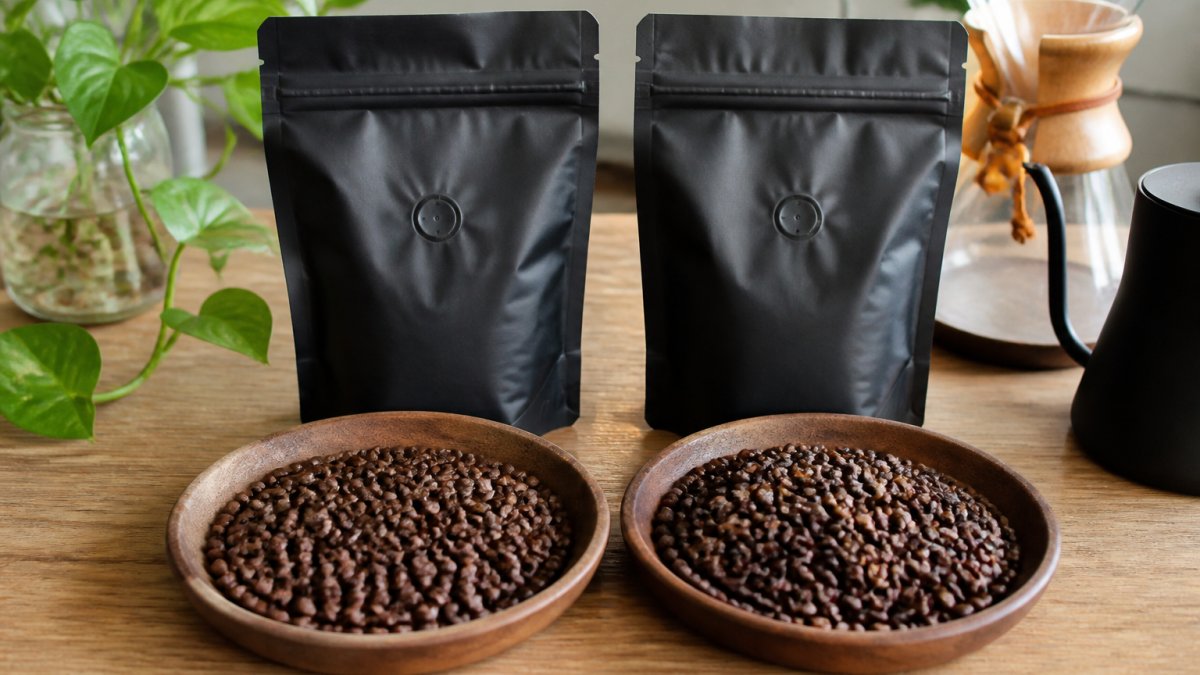
 comparison
Why Single Origin Coffee Is Better: A 2026 Guide
Table of Contents
- Why Single Origin Coffee Is Better for Flavor and Focus
- Single Origin vs Blended Coffee Beans: Key Differences
- Why Is Single Origin Coffee More Expensive?
- How to Brew Single Origin Coffee for Peak Performance
- Frequently Asked Questions
Last Updated: September 13, 2026
Why Single Origin Coffee Is Better for Flavor and Focus
Single origin coffee is better because it delivers a traceable, consistent flavor profile that mass-market blends cannot match. At Crazy Coffee Co, we roast single-origin Colombian beans for people who need sustained focus through long workdays: a clean, high-potency roast with no bitterness and no stale aftertaste. Knowing where your beans came from lets you dial in grind, water, and timing so the cup performs the same way every morning.
Single Origin vs Blended Coffee Beans: Key Differences
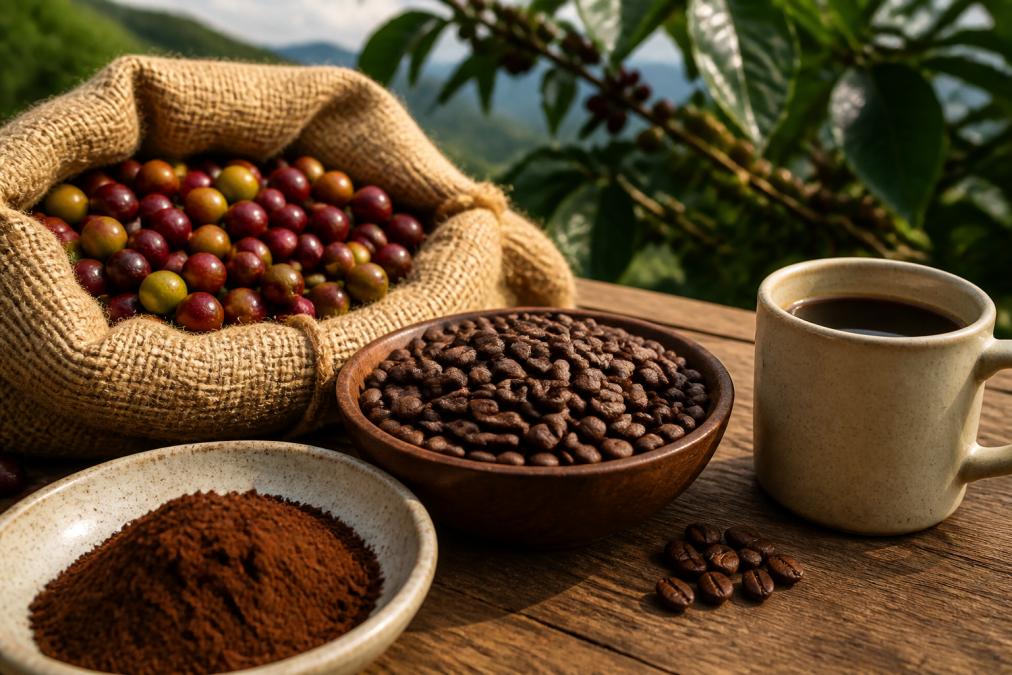
Single origin vs blended coffee beans comes down to traceability and control. Single origin coffee comes from one region, one farm, or one micro-lot, so its flavor reflects the terroir, altitude, and varietal of that place (peer-reviewed research). Blends combine beans from multiple origins to hit a consistent, balanced taste at scale.
| Factor | Single Origin | Blended Beans |
|---|---|---|
| Sourcing | One region or farm | Multiple origins combined |
| Flavor profile | Distinct, traceable notes | Balanced, uniform taste |
| Best for | Tasting specific character | Predictable everyday cups |
Blends smooth out rough edges and keep a big brand's flavor identical year-round. Single origin does the opposite: it lets regional characteristics, roast profile, and processing method show through.
Why Is Single Origin Coffee More Expensive?
Single origin coffee costs more because of how it is grown, processed, and sourced: smaller lots take more labor, traceability and direct trade add cost, and one harvest season's limited supply pushes prices up (usda.gov). The premium also reflects quality control, a washed process or natural process lot has to be handled carefully to protect its cupping notes, and that care does not scale the way a mass blend does.
How to Brew Single Origin Coffee for Peak Performance
Brewing single origin coffee well means controlling your variables so the origin's character survives the process. Get grind size, water temperature, and ratio right and the floral, citrusy, or chocolate notes come through instead of getting buried.
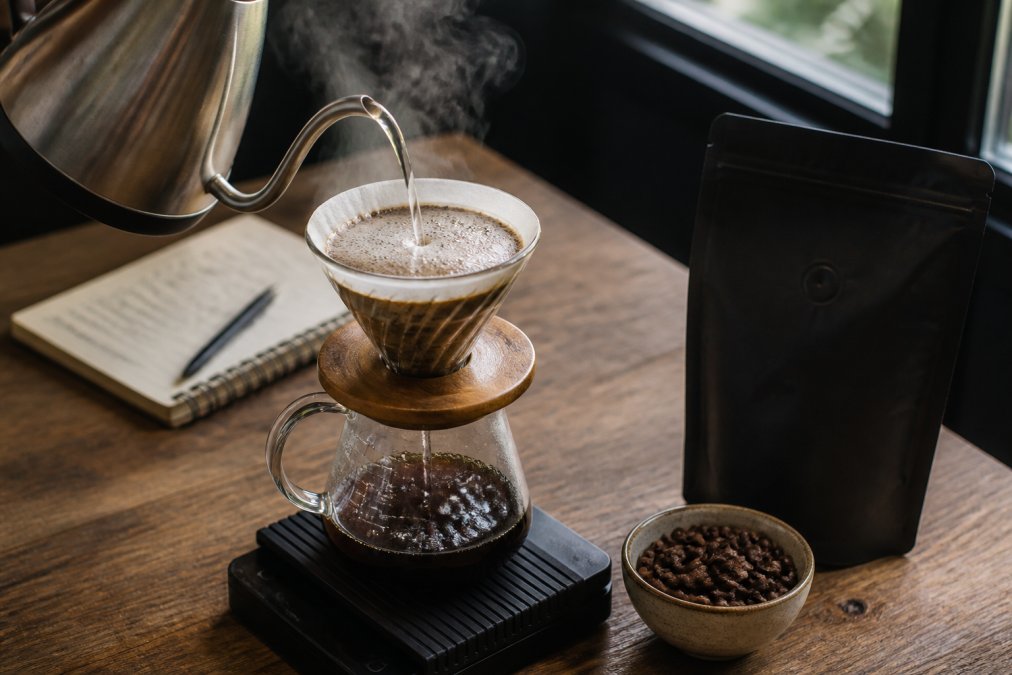
Start with grind medium for pour-over or fine for espresso, water just off a rolling boil, one part coffee to fifteen or sixteen parts water, and a consistent total brew time (peer-reviewed research). A common mistake is treating a delicate single origin like a dark blend, over-extracting a bright, citrusy bean turns it bitter fast.
Frequently Asked Questions
Is single origin coffee healthier than blends?
Single origin coffee isn't inherently healthier than blends. The healthiest choice depends on your roast profile and brewing method. A high-quality single origin like Crazy Coffee Co's Colombian offers clarity and traceability, letting you know exactly what you're drinking.
What are the primary flavor differences between single origin and blended coffee?
Single origin coffee highlights the unique terroir of one region, producing distinct notes like citrusy, floral, or chocolatey flavors. Blends combine beans from multiple origins to create a consistent, balanced profile, often with nutty or caramel notes. Single origin offers complexity and sense of place, while blends prioritize consistency. For a bold, focused cup, single origin is the way to go.
Does single origin coffee make a better espresso?
Single origin coffee can make excellent espresso, but it requires careful dialing in because its flavors are more delicate. Blends are often preferred for espresso due to their consistency and balance. However, a single origin like a Colombian washed process can produce a sweet, vibrant shot with notes of caramel and citrus. Experiment with grind size and dose to avoid bitterness and highlight its unique profile.
Finding coffee that actually keeps you sharp through a long day is harder than it should be. Crazy Coffee Co roasts high-potency, single-origin Colombian beans and ships them fresh, so you get a clean, consistent cup without the bitterness or staleness of ordinary office brew. Our Insomnia Blend is built for people who refuse to settle. Get started with Crazy Coffee Co and give your mornings the momentum they deserve.