 listicle
Premium Coffee Beans for Remote Workers: Top Picks
Table of Contents
- Why Premium Coffee Beans Matter for Remote Workers
- Quick Comparison: Best Coffee Beans for Home Office
- 1. Crazy Coffee Co Insomnia Blend: Best High-Potency Pick
- 2. Brazil Canaan Estate: Best Overall Well-Reviewed Pick
- 3. Intelligentsia House Blend: Best for Drip and Pour-Over
- 4. Intelligentsia Black Cat Espresso: Best for Espresso at Home
- 5. Stumptown Holler Mountain: Best Fresh Roasted Coffee Beans
- 6. Counter Culture Big Trouble: Best Balanced Medium Roast
- Frequently Asked Questions
Last Updated: October 13, 2026
Why Premium Coffee Beans Matter for Remote Workers
The average remote worker drinks three cups of coffee a day, which adds up to more than 700 cups a year. If every one of those cups tastes thin, bitter, or stale, you are not just losing a few enjoyable minutes.
At Crazy Coffee Co, we roast high-potency, single-origin Colombian coffee for people who treat their morning cup as fuel, not a formality.
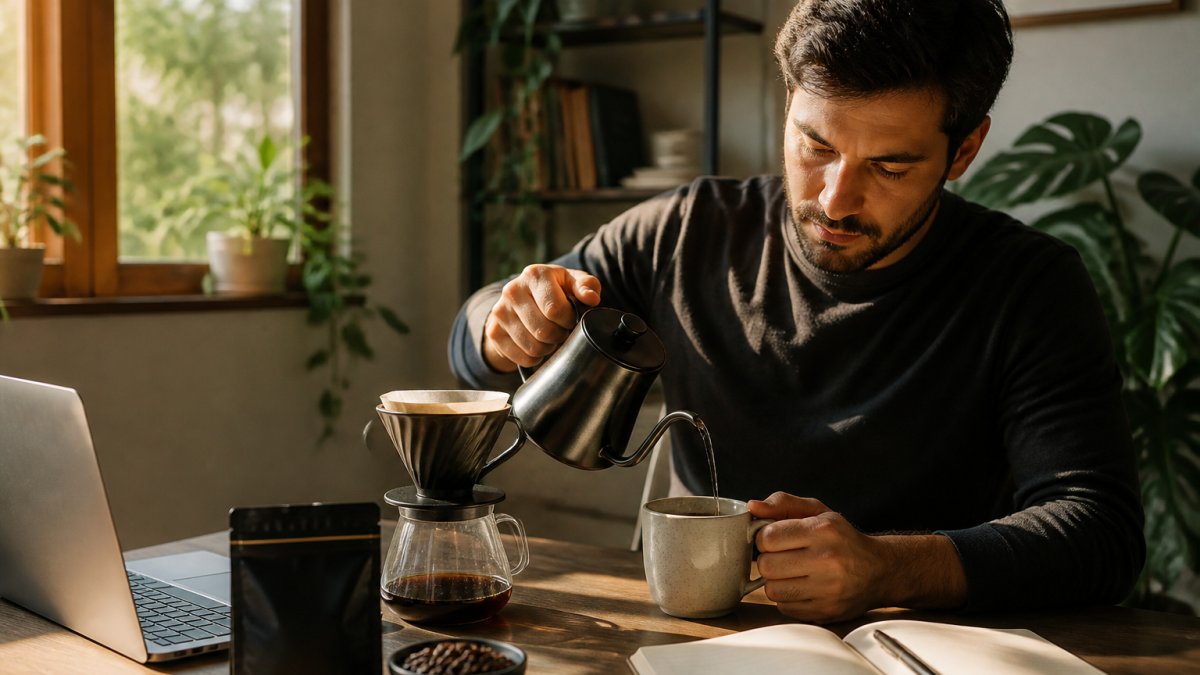
Here is what most guides get wrong: they rank beans by brand prestige instead of by how you actually brew at home.
The 6 picks below cover espresso, drip, pour-over, and French press.
Quick Comparison: Best Coffee Beans for Home Office
Premium coffee beans are whole-bean coffees roasted in small batches and sold close to their roast date, rather than mass-produced beans that sit on a shelf for months. For remote workers, the practical difference shows up in flavor, freshness, and how consistently the coffee performs in a home setup.
| Pick | Best For | Roast Style | Brew Method | Format |
|---|---|---|---|---|
| Crazy Coffee Co Insomnia Blend | High-potency focus | Bold, high-caffeine | Any | Whole bean |
| Brazil Canaan Estate | Best overall well-reviewed | Not specified | Any | Whole bean |
| Intelligentsia House Blend | Drip and pour-over | Medium | Drip, pour-over | Whole bean |
| Intelligentsia Black Cat Espresso | Espresso at home | Espresso roast | Espresso | Whole bean |
| Stumptown Holler Mountain | Fresh roasted | Not specified | Any | Whole bean |
| Counter Culture Big Trouble | Balanced medium roast | Medium | Any | Whole bean |
1. Crazy Coffee Co Insomnia Blend: Best High-Potency Pick
Our top pick is the Insomnia Blend, and the reason is simple: it is built for the long workday. This is a high-potency roast made from single-origin Colombian beans, which means you get a bold, full-bodied cup without the bitterness that comes from stale or over-roasted commodity coffee.
The blend is designed for people who need sustained focus, not a quick jolt that fades by 10 a.m. Because it is single origin, the flavor stays consistent bag to bag, so you are not re-learning your brew ratio every time you reorder. It works in drip, pour-over, French press, and espresso, so you do not need to change your setup to drink it.
Pros:
- High-potency roast built for sustained focus
- Single-origin Colombian sourcing
- Works across every common brewing method
- No bitter, stale aftertaste
Cons:
- Not the right pick if you want a light, fruity, low-caffeine cup
- Whole bean only, so you need a grinder
2. Brazil Canaan Estate: Best Overall Well-Reviewed Pick
If you want a pick with a track record, Brazil Canaan Estate is the one to look at. It comes from Middle Fork Roasters and was named the best overall coffee in Beanbox's 2026 coffee-bean roundup, where it was also described as the roaster's most-reviewed coffee.
That matters for a remote worker because a heavily reviewed bean is a known quantity. You are not gambling on a flavor profile you have never tried. Brazilian beans tend to land in the smooth, balanced, nutty range, which makes them an easy all-day coffee.
Pros:
- Named best overall in a 2026 roundup
- Reportedly the roaster's most-reviewed coffee
- Smooth, approachable flavor profile
Cons:
- The roundup does not list price, roast profile, or bag size
- Less punch than a high-potency blend
3. Intelligentsia House Blend: Best for Drip and Pour-Over
Drip and pour-over brewers need a bean that holds up to longer contact time without turning harsh. Intelligentsia House Blend fits that job. It was named in Bon Appétit's 2026 coffee-subscription roundup, which is a reasonable signal that it performs well as an everyday cup.
For home-office setups, this is the "set it and forget it" option. Medium roasts like this tend to be balanced and smooth, with enough body to survive a drip machine and enough clarity to reward a careful pour-over.
Pros:
- Named in a 2026 subscription roundup
- Medium roast suits drip and pour-over
- Available as a one-time purchase or subscription
Cons:
- The roundup does not provide blend details or pricing
- Not designed for espresso
4. Intelligentsia Black Cat Espresso: Best for Espresso at Home
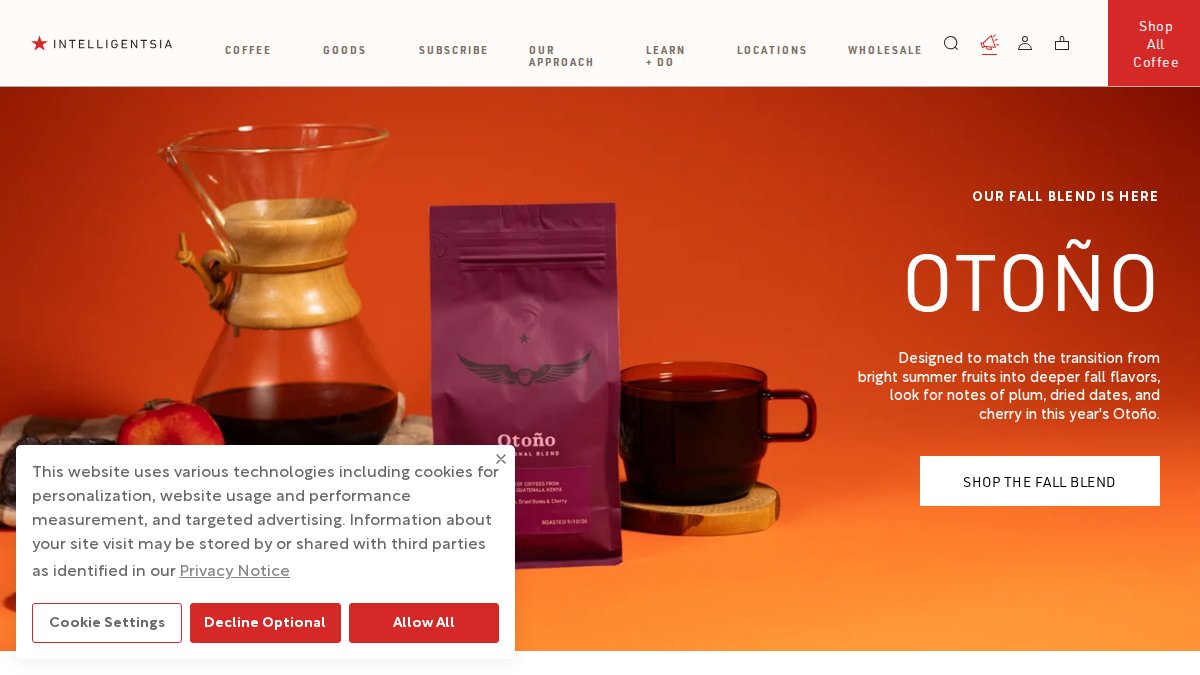
Espresso is unforgiving. A bean that tastes fine in a French press can pull sour and thin through a home machine. Black Cat Espresso is roasted specifically for espresso, and it appeared in both Bon Appétit's 2026 subscription roundup and a 2026 coffee-bean video roundup, so it has more than one independent mention behind it.
If you have a home espresso setup, start here. Espresso roasts are developed to extract evenly under pressure, which means fewer wasted shots while you dial in your grind.
Pros:
- Roasted specifically for espresso
- Appears in more than one 2026 roundup
- Predictable extraction for dialing in
Cons:
- The roundups do not show price, bag size, or roast specs
- Overkill if you only brew drip
5. Stumptown Holler Mountain: Best Fresh Roasted Coffee Beans
Freshness is the single biggest factor separating great coffee from mediocre coffee, and Stumptown has a reputation for it.
But "fresh" is not a brand trait, it is a date on a bag, and most remote workers never check it. Here is the practical version.
Read the roast date, not the best-by date. A best-by date is typically set 6 to 12 months out and tells you almost nothing. Coffee is at its most degassed and predictable roughly 4 to 14 days after roasting for most brew methods.
Buy a bag size you can finish inside that window. A common pattern for a single remote worker drinking two to three cups a day is a 12-ounce bag every two to three weeks.
Storage rules that actually matter:
- Keep beans whole until brew day. Ground coffee stales in hours, not weeks, because surface area drives oxidation.
- Use an opaque, airtight container with a one-way valve if the bag has one. Squeeze the air out, seal it, and store it in a cool, dark cabinet, not on the counter next to the laptop.
- Skip the freezer for daily-use beans. Condensation every time you open the container degrades them. Freeze only sealed, single-use portions you will thaw once.
- Never store beans in the hopper of a grinder for more than a day or two. Hoppers are not airtight and light gets in.
Shipping time is part of freshness. A bean roasted Monday and shipped Tuesday can arrive Friday and still be in its prime window. A bean roasted three weeks before it ships is already past peak when it lands.
Pros:
- Named in a 2026 coffee-bean roundup
- Brand praised for freshness and quality
- Suits most brewing methods
- Roast-date transparency makes it easy to verify freshness on arrival
Cons:
- Roundup does not list tasting notes or pricing
- Freshness depends on shipping time, so a slow carrier can erase the advantage
- Whole-bean only, so you need a grinder and a storage plan
6. Counter Culture Big Trouble: Best Balanced Medium Roast
Counter Culture Big Trouble rounds out the list as the balanced medium-roast option. It was named in a 2026 coffee-bean video roundup, and Counter Culture is a recognizable specialty roaster.
Medium roasts are the safest bet for a mixed household or a mixed routine. They carry enough sweetness and body for milk drinks, but stay bright enough to drink black. If you are unsure what you like, start here.
How to actually choose by taste, not by label. Roast level is a shortcut, but the variables that decide whether you enjoy the cup are tasting notes, body, acidity, and bitterness:
- If you like it smooth and nutty: look for notes like cocoa, almond, caramel, or brown sugar. Brazilian and Colombian beans usually land here. This is the all-day, low-drama cup.
- If you like it bright and fruity: look for notes like citrus, berry, or stone fruit. These are usually lighter roasts and often single-origin African beans. They reward pour-over and punish a drip machine set too hot.
- If you like it bold and chocolatey: look for dark cocoa, molasses, or toasted notes. These hold up to milk and to French press.
- If you want a gentler cup: acidity is the variable to watch, not caffeine. Lower-acid options tend to be darker-roasted, naturally processed, or from lower-grown regions like Brazil. Cold brew also reduces perceived acidity because the extraction is cooler and slower. If your stomach reacts to black coffee, a darker roast brewed as cold brew is the common first experiment.
Cost per cup, not cost per bag. A bag price tells you almost nothing about value. Do the math once and it changes how you buy:
- A 12-ounce bag yields roughly 24 to 34 cups at a typical 12- to 16-gram dose per cup.
- That means a $16 bag is roughly $0.47 to $0.67 per cup, and a $22 bag is roughly $0.65 to $0.92 per cup.
- Compare that to a $5 to $7 cafe drink and the home-office case makes itself, but only if you actually finish the bag before it stales.
Subscription economics for one person. Most specialty roasters let you set delivery frequency and skip or pause shipments. For a solo remote worker, a two- or four-week cadence on a 12-ounce bag usually keeps you inside the fresh window without a stockpile.
Pros:
- Named in a 2026 coffee-bean roundup
- Medium roast suits many palates
- Works black or with milk
- Widely available, so reordering is easy
Cons:
- Roundup does not show price, bag size, or roast details
- Less distinctive than a single-origin pick
- Balanced profile means it is rarely the best at any one style
Frequently Asked Questions
Which roasted coffee beans are best for remote workers?
Medium roasts offer the best balance for remote work. They provide enough caffeine for focus without the harsh bitterness of dark roasts, and they work well in drip, pour-over, and French press. Look for beans with a recent roast date and whole-bean format for maximum freshness. Single-origin options like Colombian beans deliver smooth, balanced flavor that suits all-day drinking.
What coffee beans are best for working from home?
The best coffee beans for home office use are fresh roasted, whole bean, and matched to your brewing method. If you use a drip machine, a medium roast blend works well. For espresso, choose a dedicated espresso roast. For pour-over, a single-origin light or medium roast highlights flavor clarity. Buy in smaller bags to keep beans fresh and adjust grind size for your setup.
Which coffee roast is best for focus and productivity?
Medium roasts are generally best for focus and productivity. They retain more caffeine than dark roasts and provide a smoother flavor that you can drink throughout the workday without bitterness building up. Light roasts have slightly more caffeine but can taste acidic. Dark roasts taste bold but lose some caffeine during roasting. A medium roast balances energy, taste, and drinkability.
How much coffee should you drink during a workday?
Most adults can safely consume up to 400 milligrams of caffeine per day, roughly three to four 8-ounce cups of brewed coffee. For remote workers, spreading intake across the morning and early afternoon helps sustain focus without disrupting sleep. Stop drinking coffee at least six hours before bed. If you are sensitive to caffeine, reduce portions or switch to a lower-caffeine roast.
Does single-origin coffee taste less bitter?
Single-origin coffee often tastes less bitter because it comes from one region with consistent growing and processing conditions. That consistency lets roasters highlight natural sweetness and clarity. Blends mix origins to create balance or mask flaws. Bitterness also depends on roast level and brewing. A medium-roast single-origin Colombian coffee tends to taste smoother and less bitter than a dark-roasted blend.