 ultimate-guide
Benefits of High Potency Coffee Beans: 2026 Guide
Table of Contents
- What Makes High Potency Coffee Beans Different?
- Coffee Caffeine Content by Roast: What the Numbers Show
- How Much Caffeine Is Safe Per Day?
- Cognitive and Energy Benefits of High Potency Coffee Beans
- Heart Health, Metabolism, and Long-Term Health Benefits
- High Caffeine Coffee Side Effects and Who Should Limit It
- Best Brewing Methods for High Caffeine Coffee
- Choosing and Storing Potent Beans
- Frequently Asked Questions
Last Updated: October 5, 2026
What Makes High Potency Coffee Beans Different?
High potency coffee beans are beans selected and handled to deliver more caffeine and more concentrated flavor compounds per gram than standard supermarket coffee.
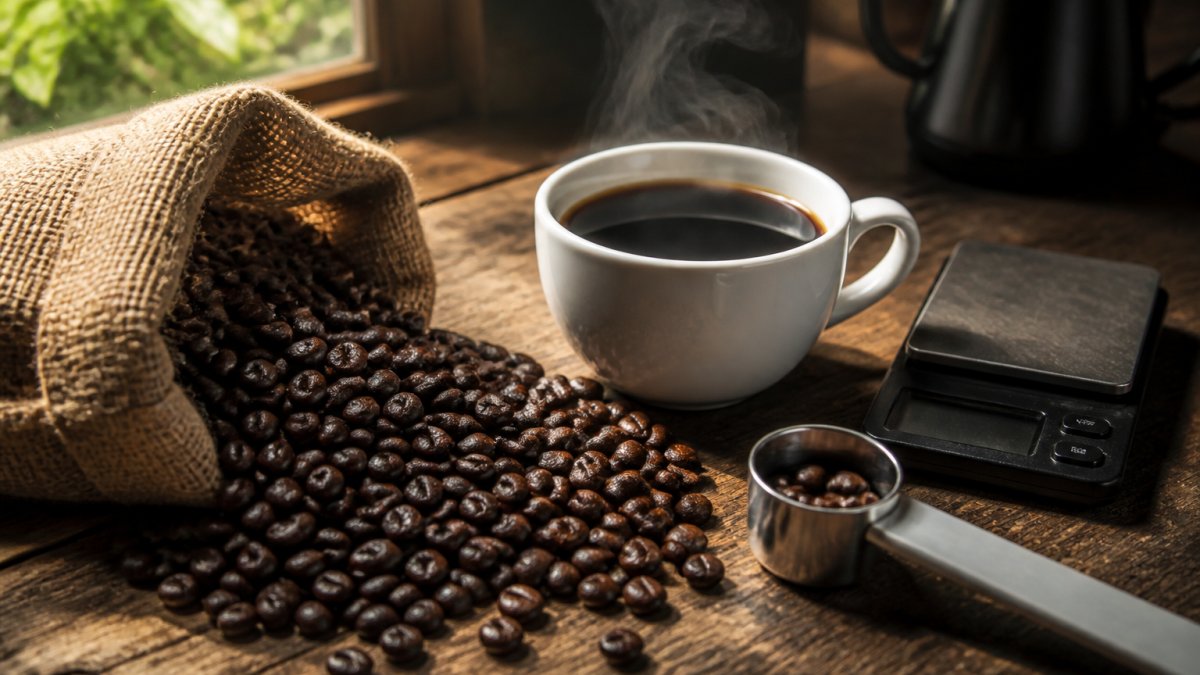
Here's the part most guides skip: "high potency" is not a regulated term. No U.S. agency certifies it. So when you see it on a bag, you're trusting the roaster's sourcing and testing standards.
Potency Is Four Variables, Not One
Most coffee-health articles treat every bean as interchangeable. It isn't. Potency is the product of four things you can actually evaluate before you buy:
- Species (genetic caffeine potential). Robusta (Coffea canephora) typically carries roughly twice the caffeine of arabica (Coffea arabica) by green-bean weight. That single fact explains most of the strength difference between a supermarket blend and a high-potency bag.
- Growing conditions. Altitude, shade, and rainfall shape bean density. Denser beans from high-altitude farms extract differently and hold their character longer after roasting.
- Processing. Washed coffees taste cleaner and brighter; natural and honey processes push sweetness and body forward. Processing changes which compounds survive to the cup, not the caffeine the bean grew with.
- Roast and freshness. Roast level shifts flavor and weight far more than caffeine. Freshness is the variable most people ignore and the one that decays fastest.
Caffeine Content by Bean Variety and Origin
Caffeine content varies by species and growing conditions. Robusta beans generally carry more caffeine than arabica, while arabica beans grown at high altitude tend to develop denser structure and more complex flavor. Colombian single-origin arabica, the type we build our roasts around, sits in the middle: moderate caffeine with a cleaner, less bitter cup than most robusta blends.
Origin matters because soil, altitude, and rainfall shape bean density. A denser bean extracts differently and holds its character longer after roasting.
How Roast Level and Processing Affect Potency
Processing method changes how much of the bean's character survives to your cup. Washed coffees taste cleaner and brighter; natural and honey processes push sweetness and body forward. Roast level then decides how those compounds present in the cup.
Darker roasts taste bolder and less acidic, which is why many people assume they contain more caffeine. They don't. The roast changes flavor and weight, not the caffeine the bean grew with.
The Compound Side of Potency: Chlorogenic Acid
Caffeine is only half the potency story. Coffee's most studied polyphenol is chlorogenic acid, which is abundant in green coffee beans and partially degrades during roasting. That's why green coffee bean extract gets its reputation: green beans retain more chlorogenic acid than roasted beans, but roasted coffee still delivers a meaningful antioxidant load in a drink people actually enjoy. A high-potency bean is one that preserves both caffeine and polyphenol content through careful processing and a roast profile that doesn't scorch them away.
Coffee Caffeine Content by Roast: What the Numbers Show
Coffee caffeine content by roast is one of the most misunderstood topics in the category. The short answer: roast level barely moves caffeine. A light roast and a dark roast from the same green bean contain nearly identical caffeine by weight. What changes is density and scoop volume.
If you want a genuinely stronger cup, adjust the dose and the ratio, not the roast name. Two grams more coffee in the same water volume does more for potency than any roast label.
How Much Caffeine Is Safe Per Day?
Most healthy adults can consume up to about 400 milligrams of caffeine per day without adverse effects, according to FDA guidance on caffeine and how much is too much.
Pregnant adults are generally advised to stay at or below 200 milligrams per day. If you take medication, have a heart condition, or manage anxiety, talk to your doctor before pushing your daily intake higher.
The practical translation for high potency coffee drinkers: potency per cup means fewer cups to reach your limit. Track your total, not your cup count.
Cognitive and Energy Benefits of High Potency Coffee Beans
The clearest documented benefit of high potency coffee beans is mental alertness. Caffeine blocks adenosine, the compound that builds up through the day and makes you feel tired.
For people doing focused work, the effect is real but bounded. A cup sharpens attention for a window of roughly a few hours, then fades. Chasing that window with cup after cup is how people end up jittery at 3 p.m. and unable to sleep at 11.
Antioxidants, Polyphenols, and Chlorogenic Acid
Coffee is one of the largest sources of antioxidants in the typical diet. The main players are polyphenols, especially chlorogenic acid, which is present in green coffee beans and partially degrades during roasting.
This is where green coffee beans and green coffee bean extract get their reputation. Green beans retain more chlorogenic acid than roasted beans, but roasted coffee still delivers a meaningful antioxidant load in a drink people actually enjoy. Roast level changes the antioxidant profile; it doesn't erase it.
Heart Health, Metabolism, and Long-Term Health Benefits
Moderate coffee consumption is associated with lower risk of several chronic conditions in large population studies, including type 2 diabetes and some cardiovascular disease outcomes. Research summarized by Harvard T.H. Chan School of Public Health on coffee and health points to coffee's polyphenols and its effect on insulin sensitivity as likely contributors.
On metabolism, caffeine modestly raises resting energy expenditure and supports fat burning during activity. The effect is small, and it is not a weight loss strategy on its own. Think of it as a nudge, not a lever.
Blood pressure deserves an honest note. Caffeine causes a short-term rise in blood pressure for many people, and habitual drinkers often adapt. If your blood pressure runs high, moderate your intake and monitor it.
High Caffeine Coffee Side Effects and Who Should Limit It
High caffeine coffee side effects show up when dose outpaces tolerance. The common ones: jitteriness, rapid heartbeat, upset stomach, anxiety, headaches, and disrupted sleep. Sleep is the one that compounds, because poor sleep drives more caffeine use the next day.
Limit intake or switch to decaf if you are pregnant, take stimulant medication, have a heart rhythm condition, struggle with anxiety or acid reflux, or are sensitive to caffeine. Teenagers and anyone new to coffee should start low and build slowly.
Best Brewing Methods for High Caffeine Coffee
The best brewing methods for high caffeine coffee maximize extraction per gram of grounds. In practice, that means longer contact time, finer grind, and a higher coffee-to-water ratio.
- Pour-over with a fine grind. Full control over ratio and time; easy to dial up the dose.
- French press. Long steep time extracts heavily; use a coarse grind to avoid sludge.
- Moka pot. Concentrated, stovetop, and strong per ounce.
- Cold brew. Long steep, smooth, and easy to make in batches; caffeine per ounce runs high.
- Espresso. Highest concentration per ounce, lowest total volume per serving.
Whichever method you choose, grind fresh and store beans in an airtight container away from light and heat. Potency fades with staleness long before flavor does, which is why we roast to order and ship fast at Crazy Coffee Co.
Choosing and Storing Potent Beans
Potency is easiest to lose and hardest to verify at the buying and storage stage. This is where you translate it into a bag on your counter.
What to Look For on the Label
Buy from roasters who name four things: species (arabica, robusta, or a blend), origin, process, and roast date. If any of those is missing, you can't evaluate potency and you're paying for a phrase. A roast date within the last two to four weeks is often used as a practical freshness window for peak flavor and aroma.
Grind and Dose: The Controls That Actually Move Potency
Once you own potent beans, two variables decide how much of that potency reaches your cup:
- Grind freshness. Grind right before brewing. Pre-ground coffee loses aromatic compounds within hours and stale grounds extract unevenly.
- Dose and ratio. Weigh your coffee. Two extra grams in the same water volume does more for potency than any roast label, and a scale removes the guesswork that scooping introduces.
Storage That Preserves Potency
Store whole beans in a sealed, opaque container at room temperature, away from light and heat.
Matching Brew Method to Potency Goal
The best brewing methods for high caffeine coffee maximize extraction per gram of grounds. In practice, that means longer contact time, finer grind, and a higher coffee-to-water ratio.
- Pour-over with a fine grind. Full control over ratio and time; easy to dial up the dose.
- French press. Long steep time extracts heavily; use a coarse grind to avoid sludge.
- Moka pot. Concentrated, stovetop, and strong per ounce.
- Cold brew. Long steep, smooth, and easy to make in batches; caffeine per ounce runs high.
- Espresso. Highest concentration per ounce, lowest total volume per serving.
Whichever method you choose, grind fresh and store beans in an airtight container away from light and heat. Potency fades with staleness long before flavor does, which is why we roast to order and ship fast at Crazy Coffee Co.
Our Insomnia Blend is built for exactly this: single-origin Colombian beans, roasted for high potency.
Frequently Asked Questions
How much caffeine is in high-potency coffee beans?
It depends on the bean and the brew. A typical 8-ounce cup of regular coffee has about 95 mg of caffeine, while high-potency beans can push that to 150 mg or more per serving. Robusta beans naturally contain roughly twice the caffeine of arabica, and a dark roast measured by scoop can deliver slightly less caffeine than a light roast because the beans lose mass during roasting. Check the label or third-party testing data for the exact number before you buy.
Can high-caffeine coffee improve focus and alertness?
Yes, caffeine blocks adenosine receptors in the brain, which reduces the feeling of tiredness and sharpens mental alertness. Studies show that 75 to 200 mg of caffeine can improve reaction time, short-term memory, and focus for several hours. The effect peaks about 30 to 60 minutes after drinking and fades over four to six hours. High-potency coffee simply delivers that dose in a smaller serving, which helps if you want a strong effect without drinking multiple cups.
How much high-caffeine coffee is safe to drink?
The FDA cites 400 mg of caffeine per day as an amount not generally associated with dangerous negative effects for healthy adults. That equals roughly two to three 8-ounce cups of high-potency coffee, depending on the bean. Pregnant women are advised to stay under 200 mg per day. If you take medication, have a heart condition, or are sensitive to caffeine, talk to your doctor before making high-potency coffee a daily habit.
Do darker-roasted coffee beans have more caffeine?
Not by weight. Roasting burns off some mass, so a dark roast bean weighs less than a light roast bean of the same size. If you measure by scoop, a dark roast can actually give you slightly less caffeine. If you measure by weight on a scale, the difference is small. Bean variety matters far more: robusta beans contain about twice the caffeine of arabica, so a high-potency robusta blend will beat a dark-roasted arabica every time.
The challenge with high potency coffee is simple: most bags lose their edge before you finish them, and most "strong" labels are marketing. Crazy Coffee Co solves both with high-potency roasting and single-origin Colombian sourcing, so every cup delivers the focus you're paying for. Get started with Crazy Coffee Co and make your next workday sharper from the first sip.