 Listicle
5 Best Single Origin Coffees for Black Coffee Drinkers
Last Updated: November 12, 2026
Quick Summary
The best single origin coffees for black coffee drinkers are Colombia Del Campo, Guatemalan Huehuetenango Organic, Ethiopian Yirgacheffe, Colombian Supremo, and Kenyan AA. A single origin comes from one farm, region, or cooperative, so its flavor reflects that place, and without milk or sugar that character comes through clearly.
- Colombia Del Campo is delicate and sweet, with cherry and marzipan notes and no bitterness.
- Guatemalan Huehuetenango Organic offers chocolate and cashew flavors in a medium roast.
- Ethiopian Yirgacheffe is bright and floral, with high, tea-like acidity.
- Kenyan AA has structured acidity and a long, wine-like finish for bold drinkers.
- Use a 1:16 coffee-to-water ratio and water around 200 degrees Fahrenheit as a starting point.
Table of Contents
- Why Single Origin Coffee Tastes Better Black
- How We Chose These Five Single Origin Coffees
- Single-Origin vs. Blended Coffee Beans: What Changes in the Cup
- The Five Best Single Origin Coffees for Black Coffee Drinkers
- Best Coffee Roast for Black Coffee
- Best Black Coffee for Beginners
- How to Brew Single-Origin Coffee
- Choosing Your Next Bag of Single Origin Coffee
- Frequently Asked Questions
Why Single Origin Coffee Tastes Better Black
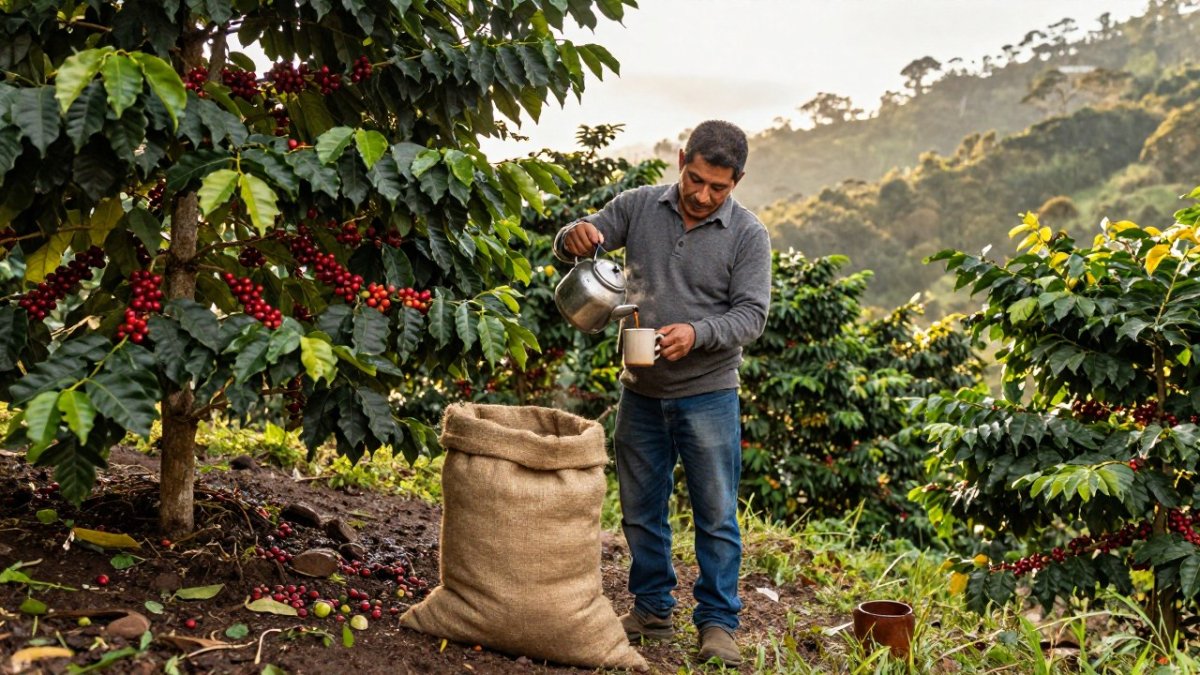
Single-origin coffee comes from one farm, region, or cooperative, so its flavor reflects a specific place rather than a blend. Without milk or sugar to mask it, that character is what you taste in every sip. For black coffee drinkers, single origins are often the difference between a cup that tastes flat and one that tastes clean, sweet, and layered.
At Crazy Coffee Co, we built our lineup around this idea. Because the beans trace back to a known origin, the notes on the bag are a real guide to what you will taste. Blends can smooth out rough edges, but they also blur the signal. Single origins keep it sharp.
Think of it this way: a blend is a chord, while a single origin is one clear note. Both can be pleasant. But when you drink coffee black, you hear every note.
How We Chose These Five Single Origin Coffees
We did not rank these by price alone. Some are more expensive per bag, while others offer strong value for everyday drinking. Where we could not confirm current pricing or availability, we say so, and we recommend checking the seller's site before you buy.
Single-Origin vs. Blended Coffee Beans: What Changes in the Cup
A blend combines beans from several origins, often to keep flavor consistent from one batch to the next. Learn how to tell single-origin and blended coffee apart on the bag. A single origin is a bet on one place, which means the flavor can shift more from year to year but offers a more distinct taste.
For black coffee, the difference shows up in three areas:
- Acidity: Single origins often show brighter, more defined acidity, while blends tend to be rounder.
- Sweetness: Many single origins have a natural sweetness that comes through without sugar.
- Finish: The aftertaste of a single origin often lingers longer and changes as the cup cools.
If you want to test the difference yourself, brew a blend and a single origin the same way and taste them side by side.
The Five Best Single Origin Coffees for Black Coffee Drinkers
Use the tasting notes below as a guide, not a guarantee, because the same origin can taste different from one harvest to the next. Read how to identify single-origin flavor profiles like fruit, chocolate, and floral notes on a label.
1. Colombia Del Campo: Delicate, Sweet and Fruit-Forward
Colombia Del Campo is a single-origin Colombian coffee described as delicate and sweet, with notes of cherry and marzipan and a soft finish. It is an excellent choice if you find many dark or heavy coffees too harsh. For current pricing and availability, check the Crazy Coffee Co website.
- Acidity: Medium-low and rounded
- Bitterness: Low
- Body: Light to medium
- Sweetness: High, with a cherry-and-marzipan character
- Finish: Soft and clean
Best for: drinkers who want a gentle, fruit-forward cup with no bitterness.
2. Guatemalan Huehuetenango Organic: Chocolate and Cashew
- Acidity: Medium
- Bitterness: Low to medium
- Body: Medium
- Sweetness: Medium-high, with brown-sugar depth
- Finish: Nutty and lingering
Provenance to look for: the Huehuetenango region, a named estate or cooperative, an altitude around 1,500 to 1,900 meters, and either washed or natural processing. Organic certification is a useful signal but not a substitute for a named origin.
Brew it black: a medium-fine grind in a drip brewer or pour-over at 1:16 brings out the chocolate and cashew; a slightly coarser grind in a French press adds body but can mute the sweetness.
Best for: black coffee drinkers who want a medium roast with nutty, chocolate-leaning notes.
3. Ethiopian Yirgacheffe: Bright and Floral
- Acidity: High and tea-like
- Bitterness: Low
- Body: Light
- Sweetness: Medium, often citrus or stone-fruit
- Finish: Floral and clean
Provenance to look for: the Yirgacheffe district within the Gedeo Zone, a washing station or cooperative name, an altitude above roughly 1,700 meters, and washed or natural processing. Natural-processed Yirgacheffe tends to push berry and floral notes further than washed lots.
Brew it black: a medium grind in a pour-over at 1:16, with water around 200 to 205 degrees Fahrenheit, protects the floral aromatics; boiling water can flatten them.
Best for: drinkers comparing single origins by region who enjoy a lighter, floral style.
4. Colombian Supremo: A Balanced Everyday Pick
Like the other entries, current price and bag size should be confirmed on the seller's site.
- Acidity: Medium
- Bitterness: Medium-low
- Body: Medium
- Sweetness: Medium, with caramel and mild fruit
- Finish: Balanced and short
Provenance to look for: Supremo is a bean-size grade rather than a farm name, so ask for the region and the cooperative behind the lot. A named farm or washing station, an altitude above roughly 1,500 meters, and washed processing tell you more than the grade alone.
Brew it black: a medium grind in a drip brewer at 1:16 is forgiving and consistent; a finer grind in an espresso machine works if you dilute the shot with hot water for an Americano.
Best for: drinkers who want one reliable black coffee for every morning.
5. Kenyan AA: Structured Acidity for Bold Drinkers
If you are new to black coffee, start with the milder options above and work your way here.
- Acidity: High and structured
- Bitterness: Medium
- Body: Medium to full
- Sweetness: Medium, often blackcurrant or grape
- Finish: Long and wine-like
Provenance to look for: AA is a bean-size grade, so look for a named estate, cooperative, or auction lot, a region such as Nyeri or Kirinyaga, an altitude above roughly 1,700 meters, and washed processing. Kenyan lots are often graded AA, AB, and PB, and the grade alone does not describe flavor.
Brew it black: a medium-fine grind in a pour-over at 1:16, with water around 200 degrees Fahrenheit, balances the acidity; a coarser grind in a French press softens the structure but can round off the wine-like finish.
Best for: bold drinkers who want acidity and structure in every cup.
Keep in mind that the same origin can taste different from one harvest to the next, so treat these notes as a starting point.
The table below sums up the key flavor profile of each of the five single origins so you can compare them at a glance.
| Coffee | Best for | Key flavor note |
|---|---|---|
| Colombia Del Campo | Gentle, fruit-forward cup with no bitterness | Cherry and marzipan, high sweetness |
| Guatemalan Huehuetenango Organic | Medium roast with nutty, chocolate notes | Chocolate and cashew, nutty finish |
| Ethiopian Yirgacheffe | Lighter, floral style | Bright, tea-like, floral finish |
| Colombian Supremo | One reliable everyday black coffee | Caramel and mild fruit, balanced |
| Kenyan AA | Bold drinkers wanting structured acidity | Blackcurrant or grape, long wine-like finish |
Best Coffee Roast for Black Coffee
Roast level changes how much of the origin's character survives. Lighter roasts usually show more acidity and fruit, while darker roasts push toward chocolate and bitterness. Medium roasts often offer the best balance for black coffee because they keep enough origin flavor while rounding out harsh edges.
If you are unsure, start with a medium roast. Then move lighter if you want brightness, or darker if you prefer a heavier, more bitter cup.
Best Black Coffee for Beginners
If you are new to drinking coffee black, start with Colombia Del Campo or Guatemalan Huehuetenango Organic. Find out which origin region beginners should try first. Both are sweeter and softer than the brighter, more acidic options. They let you learn what you like without the sharpness that can put beginners off.
Once you are comfortable, try the Colombian Supremo for balance, then move to the Ethiopian Yirgacheffe or Kenyan AA as your palate develops.
How to Brew Single-Origin Coffee
Good brewing helps bring out the flavor of your coffee. Use freshly ground beans, filtered water heated to just below boiling, and a consistent ratio. A pour-over or drip method usually highlights single-origin clarity better than a heavy-bodied brew.
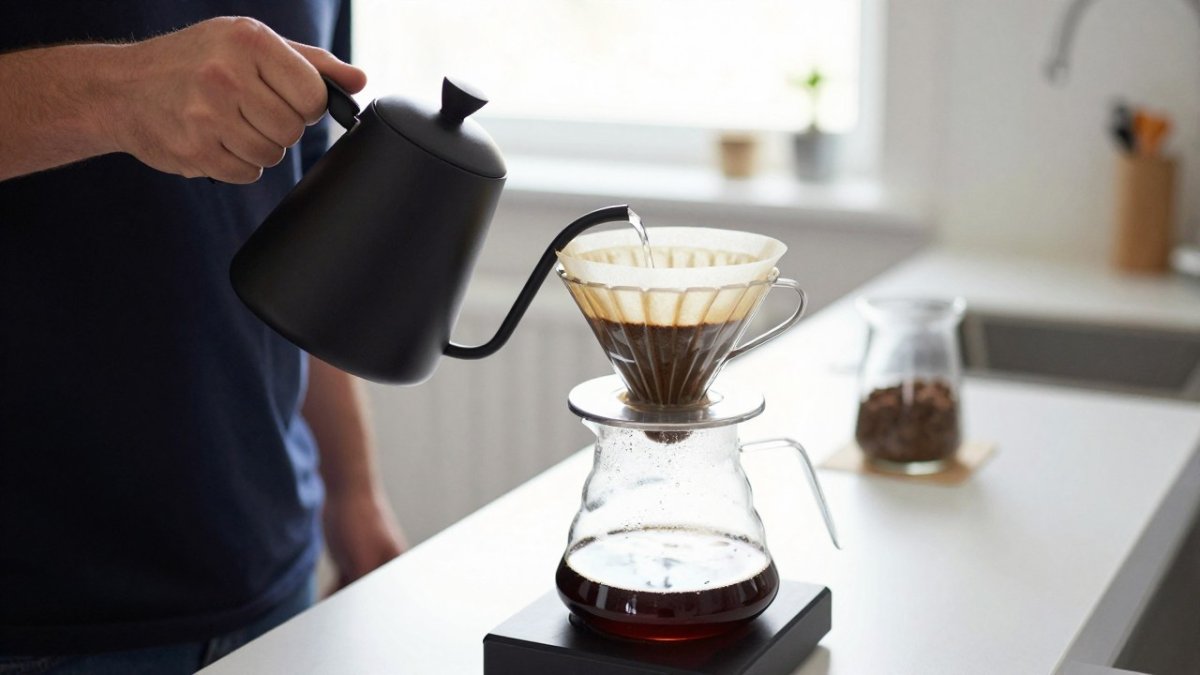
Grind just before brewing. Pre-ground coffee loses aromatic compounds quickly. Start with a ratio of about 1:16 coffee to water, then adjust to taste.
Here is how to match the method to the origin so the flavors that make each coffee enjoyable black come through:
- Colombia Del Campo (delicate, fruit-forward): medium grind, pour-over, 1:16, water around 200 degrees Fahrenheit. A slower pour keeps the cherry sweetness forward.
- Guatemalan Huehuetenango Organic (chocolate, cashew): medium-fine grind, drip brewer or pour-over, 1:16, water around 200 degrees Fahrenheit. A slightly longer brew time deepens the chocolate note.
- Ethiopian Yirgacheffe (bright, floral): medium grind, pour-over, 1:16, water around 200 to 205 degrees Fahrenheit. Avoid boiling water, which flattens the floral aromatics.
- Colombian Supremo (balanced): medium grind, drip brewer, 1:16, water around 200 degrees Fahrenheit. This is the most forgiving of the five and works well as a daily batch.
- Kenyan AA (structured acidity): medium-fine grind, pour-over, 1:16, water around 200 degrees Fahrenheit. A coarser grind in a French press softens the structure but can round off the wine-like finish.
A few practical rules apply across all five. Use filtered water; hard water can mute sweetness and make acidity taste sharp. Keep the ratio consistent so you can compare origins fairly. And let the cup cool slightly before judging it, because the finish often changes as the coffee drops in temperature.
Watch out: a grind that is too fine for a pour-over slows the drawdown and pushes the cup toward bitterness, which is exactly the flavor black coffee drinkers are trying to avoid.
Choosing Your Next Bag of Single Origin Coffee
When you are ready to buy, look for a clear origin, a processing method, and a roast date. Read our buyer's guide to ordering fresh roasted beans. Those three details tell you the most about what you will taste.
To keep beans tasting their best, store them in an airtight container away from heat, light, and moisture, and avoid the refrigerator. See our full guide to keeping coffee fresh longer.
Ready to taste the difference? Explore the Crazy Coffee Co range and find the single origin that fits your palate, then brew a cup black and see what it tastes like.
Frequently Asked Questions
What is the best coffee for black coffee drinkers?
Single-origin coffees with clear sweetness and low bitterness tend to taste best black. Start with a medium roast, which keeps acidity bright without the harsh edge that dark roasts can add. Grind just before brewing, and compare two or three origins side by side to find the profile you prefer.
Is single-origin coffee better than blended coffee for drinking black?
Single-origin coffee usually makes the origin's flavor easier to taste, which is why many black coffee drinkers prefer it. Blends are designed for consistency, balancing beans from several regions to smooth out variation. Neither is better in every case. If you want a distinct, traceable cup with defined tasting notes, single-origin is the stronger choice. If you want the same flavor every morning, a well-made blend may suit you better.
What roast level is best for black coffee?
Medium roasts are the most popular choice for black coffee because they balance sweetness, body and acidity. Light roasts highlight origin character, including fruit and floral notes, but can taste sharp to some palates. Dark roasts bring bittersweet, roasty flavors and lower perceived acidity, but they can hide the bean's natural differences. Try a medium roast first, then move lighter or darker depending on whether you want brightness or depth.
How do you choose coffee beans that are smooth and not bitter?
Choose a medium roast, and pick origins described with sweetness rather than harsh or burnt descriptors. Brewing at the right grind size and water temperature also reduces bitterness, since over-extraction is a common cause.