 Listicle
Which Single Origin Coffee Region Should Beginners Try First?
Last Updated: November 9, 2026
Quick Summary
Brazil is the easiest single origin coffee for beginners, with low acidity, heavy body, and clear chocolate and nut notes. If you prefer brighter, tea-like cups, choose Ethiopia instead. Match your first single origin coffee to flavors you already enjoy rather than to the map.
- Brazilian beans are often naturally processed, which makes them taste sweeter and rounder than washed coffees.
- Colombian beans sit between Brazil's softness and Ethiopia's brightness: nutty, caramel-sweet, and medium-bodied.
- Ethiopian Yirgacheffe is the classic starting point because the washed process keeps the cup clean and easy to read.
- Peru, Guatemala, Costa Rica, and Honduras offer smooth, mild cups that bridge Brazil and Ethiopia.
- Look for a printed roast date within the last two weeks, since beans peak roughly 5 to 21 days after roasting.
Table of Contents
- Start With Flavor, Not Geography
- 1. Brazil: The Easiest Single Origin Coffee for Beginners
- 2. Colombia: Nutty, Balanced, and Built for Daily Drinking
- 3. Ethiopian Single Origin Coffee: Floral, Fruity, and Worth the Leap
- 4. Central and South American Origins Beyond Brazil and Colombia
- Single Origin Coffee vs Blend: What Actually Changes in Your Cup
- Is Single Origin Coffee Good for Espresso?
- Where to Buy Single Origin Coffee Without Wasting Money
- Frequently Asked Questions
Start With Flavor, Not Geography
The fastest way to choose among the best single origin coffee regions for beginners is to start with the flavors you already enjoy, not the map. If you like smooth, chocolatey coffee, Brazil is your safest first bag. If you want brighter, tea-like cups, look to Ethiopia. This guide walks you through each major region so your first single origin coffee purchase lands somewhere you actually want to drink.
Here is the part most guides get wrong: they list countries alphabetically and leave you to guess. We would rather match you to a cup. Below, we break down the four regions worth starting with, explain the tasting words that confuse everyone, and show you how to buy without wasting money on a bag you will not finish.
Acidity, Bitterness, and Body in Plain Language
Acidity is the bright, tangy sensation that makes coffee taste lively, like a squeeze of lemon rather than a sour note. Bitterness is the harsh, drying taste that comes from over-extraction or dark roasting, and it is not the same thing as intensity. Body is the weight of the coffee on your tongue, ranging from thin and tea-like to thick and syrupy.
If bitterness has been your problem, the fix is usually brewing, not the bean. Our guide to why coffee tastes bitter after brewing covers the seven adjustments that solve it. Once you know which of those three sensations you prefer, picking a region becomes simple. For a deeper walkthrough of tasting vocabulary, see how to identify single origin coffee flavor profiles.
1. Brazil: The Easiest Single Origin Coffee for Beginners
Brazil is the most forgiving place to start. Most Brazilian beans land in the medium roast range with low acidity, heavy body, and clear chocolate and nut notes. If you have only ever had supermarket coffee, a Brazilian single origin coffee will taste familiar but cleaner, without the stale, scorched finish.
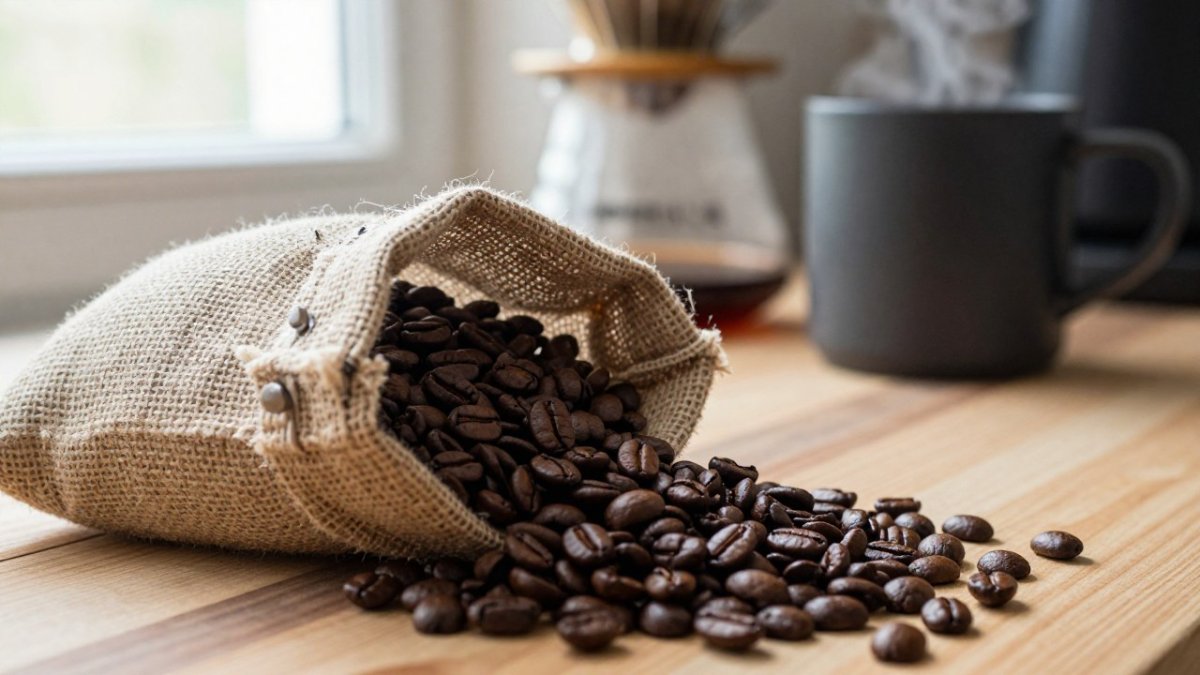
One insider note: Brazilian coffee is often processed with the natural method, where the fruit dries around the bean. That is exactly why it tastes sweeter and rounder than a washed coffee from the same farm. It is also why Brazil works so well in espresso and milk drinks.
Best for: anyone who wants a smooth, low-risk first bag. Skip if: you already know you love bright, fruity coffee.
2. Colombia: Nutty, Balanced, and Built for Daily Drinking
Colombia is where our own coffee comes from. Colombian beans sit in the sweet spot between Brazil's softness and Ethiopia's brightness: nutty, caramel-sweet, medium body, with enough acidity to stay interesting over time.
Crazy Coffee Co offers single-origin Colombian coffee in a high-potency roast. If you want to taste what a well-roasted Colombian can do, our high-potency single-origin Colombian coffee is the place to start.
Best for: daily drinkers who want flavor and focus in the same mug. Skip if: you want maximum fruit and florals.
3. Ethiopian Single Origin Coffee: Floral, Fruity, and Worth the Leap
Ethiopian single origin coffee is the wild card, and it is the one that turns casual drinkers into hobbyists. Expect jasmine, bergamot, blueberry, and a light, tea-like body. Yirgacheffe is the classic starting point because the washed process keeps the cup clean and easy to read.
High acidity can surprise people who expect a dark, bitter cup. Trying it as a pour-over before judging it is a reasonable approach.
Best for: curious drinkers ready for something genuinely different. Skip if: you take milk and sugar in every cup.
4. Central and South American Origins Beyond Brazil and Colombia
Peru, Guatemala, Costa Rica, and Honduras round out the beginner map. These origins tend to be smooth and mild, with soft acidity and gentle sweetness, which makes them a smart bridge between Brazil and Ethiopia. But treating each country as a single flavor is the mistake most guides make. Within every one of these origins, altitude, cultivar, harvest timing, and processing method move the cup substantially, so the country name is a starting point, not a guarantee.
Peru is the quiet achiever here. A medium-roast Peruvian is about as approachable as coffee gets, with none of the sharp edges that scare off new drinkers. Most Peruvian lots are washed, which keeps the cup clean and lets a soft caramel sweetness come through. Guatemalan beans bring a little more cocoa depth, especially from the higher-altitude lots in the Huehuetenango region, where cooler nights slow cherry maturation and concentrate sugars. Costa Rican lots lean cleaner and brighter, and the country's honey-processed coffees, where some of the fruit mucilage is left on the bean during drying, sit between the crispness of a washed coffee and the jammy sweetness of a natural. Honduran coffees are the value pick of the group: medium body, mild citrus, and a nutty finish that works well in a drip brewer.
A concrete example of within-origin variation: two Guatemalan bags from the same roaster can taste like different countries if one is a washed Bourbon from 1,500 meters and the other is a natural Caturra from 1,900 meters. The washed Bourbon will read cleaner and more structured; the natural Caturra will push berry and stone fruit. That is not inconsistency, it is the point of single origin coffee. If you want to taste the difference side by side, a regional box set is a cheap education. For the full comparison of how these coffees differ from mixed bags, read single origin vs blend coffee explained.
| Region | Flavor Profile | Acidity | Best For |
|---|---|---|---|
| Brazil | Chocolate, nuts, smooth | Low | First-timers, espresso |
| Colombia | Caramel, nutty, balanced | Medium | Daily drinking |
| Ethiopia | Floral, citrus, berry | High | Adventurous drinkers |
| Peru | Mild, sweet, clean | Low-medium | Gentle transition |
| Guatemala | Cocoa, spice, round | Medium | Chocolate lovers |
| Costa Rica | Clean, bright, honey sweetness | Medium-high | Pour-over drinkers |
| Honduras | Nutty, mild citrus, medium body | Medium | Drip brewers, value |
Watch out: a bag labeled only "Central America" or "South America" without a country or region is not a true single origin, and it will not teach you anything about how a specific place tastes.
Single Origin Coffee vs Blend: What Actually Changes in Your Cup
Single origin coffee comes from one country, region, or farm, so it tastes like a specific place. A blend mixes beans from several origins to hit a consistent flavor profile all year. Neither is better. Blends are built for consistency and balance, while single origins let you taste the difference between one farm and the next.
That is the honest trade-off. A blend will taste the same in March and September. A single origin will not, and that variation is the point. If you want to learn what coffee can taste like, buy single origin. If you want your morning cup to never surprise you, buy a blend.
Is Single Origin Coffee Good for Espresso?
Single origin coffee can work for espresso, though not every origin suits it. Brazilian and Colombian beans are commonly chosen for espresso, while a light-roast Ethiopian can taste thin and sharp as espresso unless it is dialed in carefully.
Where to Buy Single Origin Coffee Without Wasting Money
Buy from roasters who print the roast date, not just a best-by date, and order in amounts you will finish within a few weeks of opening. Whole beans let you control the grind. Skip any bag without an origin name on the label. That is the short version.
Freshness is a date, not a vibe. Coffee is a fresh agricultural product, and roasted beans peak roughly 5 to 21 days after the roast date, depending on the bean and roast level. A bag with only a best-by date tells you nothing about when it was roasted, so you cannot know where it sits on that curve.
Whole bean versus ground. Whole beans stay fresher longer because the surface area exposed to oxygen is smaller. Once ground, coffee stales in days rather than weeks. If you do not own a grinder, buy pre-ground in smaller bags and finish them quickly, or ask the roaster to grind for your specific brewer.
Bag size and price expectations. Pricing depends on the roaster, bag size, and origin. Check the current price and bag options on Crazy Coffee Co's website. Buying a smaller bag to test an origin before committing to a larger one is a practical approach.
A few practical checks before you buy:
- Roast date printed on the bag, within the last two weeks
- Named country or region, not just "house blend"
- Whole bean, unless you have no grinder
- Tasting notes that match flavors you already like
- A return policy you have actually read
How to brew and taste an unfamiliar origin. You do not need specialized equipment to compare origins.
For a fuller checklist, see how to choose high quality coffee beans in 2026. If you are unsure which region suits you, a subscription that quizzes your taste and ships rotating origins is a low-risk way to explore.
The real challenge is not finding a single origin coffee. It is buying one that matches your taste on the first try, without a cabinet full of half-finished bags. Crazy Coffee Co roasts single-origin Colombian Arabica for people who want a bold, high-potency cup that stays fresh and never turns bitter.
Frequently Asked Questions
What is the best coffee region to start with as a beginner?
Brazil and Colombia are the two safest starting points. Brazilian beans are commonly described as having chocolate, nut and caramel notes with low acidity. Colombian beans add a little more brightness and sweetness while staying balanced. Try one bag of each, brew them the same way, and note which one you finish first. That tells you more about your taste than any flavor wheel.
Is single origin coffee good for espresso?
Yes, though not every origin suits it. Single origin coffee gives you a clear, identifiable flavor in the cup, which is why many espresso drinkers enjoy it as straight shots. Medium and dark roasts from Brazil or Colombia are commonly used for espresso. Bright, acidic Ethiopian lots can taste sharp as espresso, so save those for filter brewing or drink them as a light-roast shot.
What does single origin coffee mean, and how is it different from a blend?
Single origin coffee comes from one place: a single country, region, farm or cooperative. A blend mixes beans from multiple origins to hit a consistent, balanced flavor. The practical difference is traceability and character. A single origin lets you taste what soil, altitude and processing did to that crop, so you learn faster. A blend hides those differences behind a reliable, familiar profile.
Is Ethiopian single origin coffee good for beginners?
It can be, if you know what to expect. Ethiopian lots, especially washed Yirgacheffe, are floral and citrus-forward with noticeable acidity. That brightness surprises people used to dark, bitter coffee. Order a small bag, brew it as a pour-over or drip at a medium grind, and drink it black before adding milk. If you enjoy tea-like, fruity flavors, Ethiopian coffee will likely become a favorite.
Where should I buy single origin coffee to get good value?
Buy from roasters who print the country, region, farm or cooperative, and processing method on the bag. That label tells you what you are paying for. Check the roast date too. Coffee tastes best within a few weeks of roasting, so freshness matters more than a fancy origin name.